

Forget what you think you know about the 1970s. You picture gas lines. You picture disco. You picture engines choked by emissions rules. Look again. Underneath the smog and the sticker shock, something feral still prowled American driveways, classic muscle cars. Detroit built beasts in this decade, not just cars. You need to understand them on their own terms, loud and unapologetic. Picture a driveway in 1971. A father steps outside at dawn. His neighbor is already there, sleeves rolled up, staring at a hood the size of a dining table. “She’ll do the quarter mile in under fourteen,” the neighbor says. The father doesn’t answer. He just listens to the engine idle, a sound like distant thunder deciding whether to break.
That’s the 1970s muscle car scene in miniature. Two men. One driveway. A machine between them that neither fully controls. Stick with me here. You’re about to meet the classic muscle cars that made that decade roar, even as the world tried to quiet them down. You’ll learn their names. You’ll learn their quirks. You’ll understand why grown men still get misty-eyed at car shows decades later.
Plymouth ‘Cuda: The One Everyone Underrated On Purpose
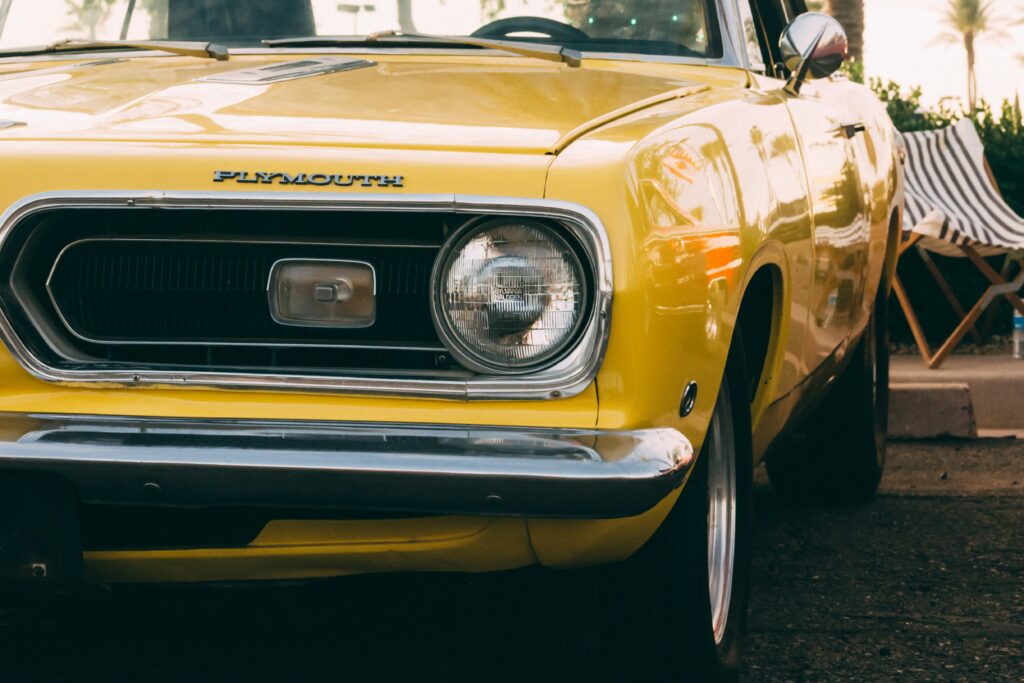
For classic muscle cars, start here. Say the name slowly: ‘Cuda. Feel the hiss in it, like something waking up. The 1970 Hemi ‘Cuda carried a 426 cubic-inch engine rated at 425 horsepower. Everyone in the industry knew the real number ran higher. Manufacturers lied a little back then. Insurance companies were watching. You had to play it coy.
Picture the showroom floor. A salesman leans toward a young buyer. “You sure about this one?” he asks. “It’s not a car for errands.” The buyer just nods. He’s not buying groceries. He’s buying a weapon disguised as transportation.
You need to remember one detail here. Plymouth built fewer than 700 Hemi ‘Cudas that year. Rarity turned this car into a myth almost immediately. Collectors chase it today for the same reason hunters chase something elusive: it barely existed in the first place.
Dodge Challenger: The ‘Cuda’s Cockier Cousin
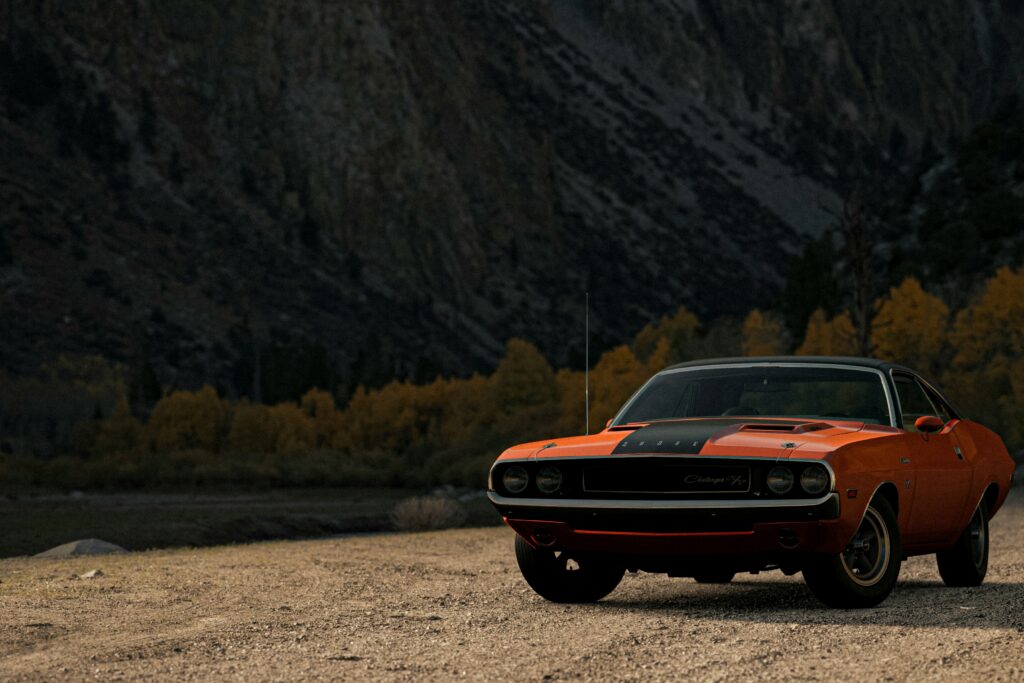
Move next door. Dodge built the Challenger on the same platform as the ‘Cuda, but gave it a longer wheelbase and a different attitude. Picture two brothers raised in the same house, one quieter, one louder. The Challenger was the louder one.
The 1970 Challenger R/T came standard with a 383 engine, though buyers could order all the way up to the 426 Hemi if they had the nerve and the money. “You want the big one?” the dealer might ask. “Most men say they do. Fewer men actually sign for it.”
You should notice the shape too. Long hood. Short deck. A silhouette so aggressive it later got resurrected decades afterward, because nobody could improve on it.
Chevrolet Chevelle SS: Power Without a Costume
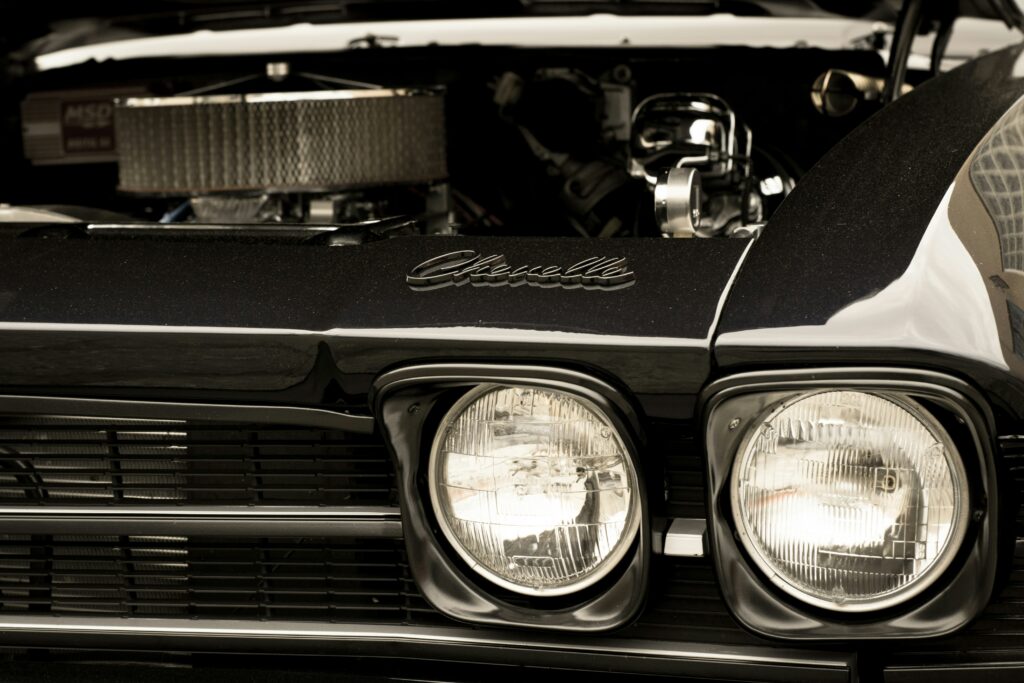
Now turn toward Chevrolet. The Chevelle SS never needed flash. Big block. Low stance. A silhouette that still turns heads on a quiet street more than fifty years later. Chevy built this car for a specific kind of buyer: the one who wanted speed without noise about it, power without a parade.
Picture a father handing his teenage son the keys to a battered Chevelle SS, years after its glory days had faded. “Treat her right,” he says. “She’s earned that much.”
“I will,” the son answers, already sliding behind the wheel.
That handoff happened in driveways across the whole country during this decade. You inherit something when you understand this car properly: a stubborn belief that quiet confidence beats a loud costume every time.
Pontiac GTO: The Legend That Faded in Front of Everyone
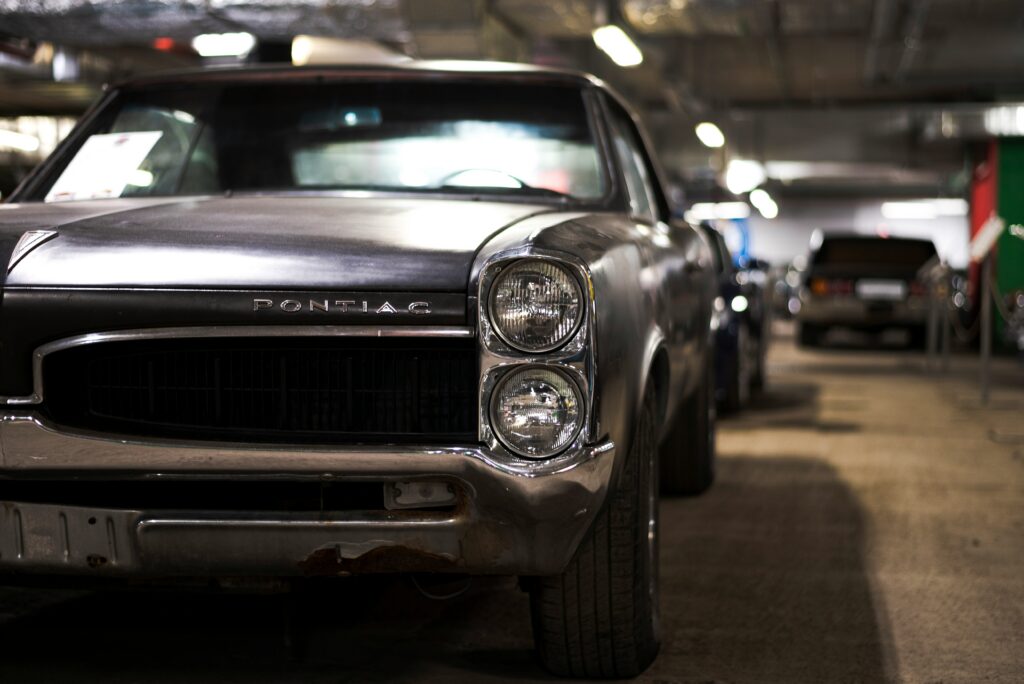
Here’s where the story turns sad, then defiant. The GTO started the muscle car era back in the 1960s, and it entered the 1970s still swinging. Then the decade turned against it. The 1973 oil embargo hit like a slammed door. Gas prices spiked. Insurance premiums for high-performance cars climbed even faster.
Picture a GTO buyer in 1974, standing in a dealership, staring at a spec sheet. He remembers the numbers from just a few years earlier. Now he sees smaller figures, tamer figures, apologetic figures. “This isn’t the same car,” he tells the salesman.
“It’s the same name,” the salesman replies. “That’s the best I can offer you.”
You feel that exchange in your chest if you know anything about cars. By 1974, the GTO existed only as an option package on the compact Ventura, a shadow of itself, still wearing the name like a costume that no longer fit.
AMC Javelin AMX: The Underdog Nobody Saw Coming
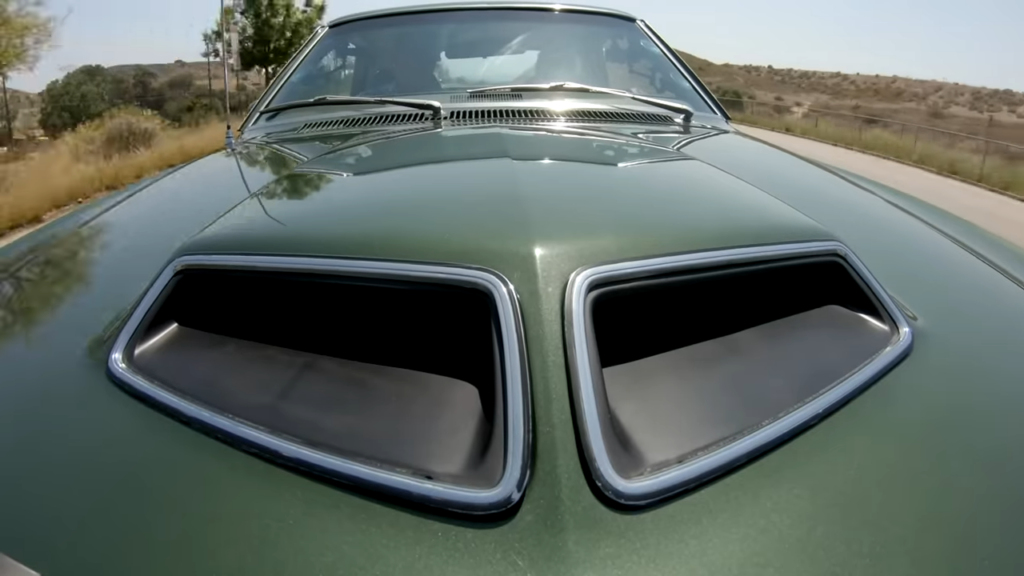
Don’t stop at the famous names. Dig deeper. The AMC Javelin AMX rarely gets its due. American Motors was the smallest of the Big Four, scrappy and underfunded, yet it built a car that beat bigger rivals on the racetrack.
Picture the surprise on a Camaro driver’s face at a stoplight. He glances over. He sees an AMC badge. He laughs, not unkindly, just reflexively.
“Nice try,” he says, rolling down his window.
“Already tried it,” the Javelin driver answers. “Look in your mirror next time.”
That’s the spirit you need to carry through this whole story: the underdog with teeth, built by a company everyone underestimated until the light turned green.
Buick GSX: The Contradiction Nobody Expected
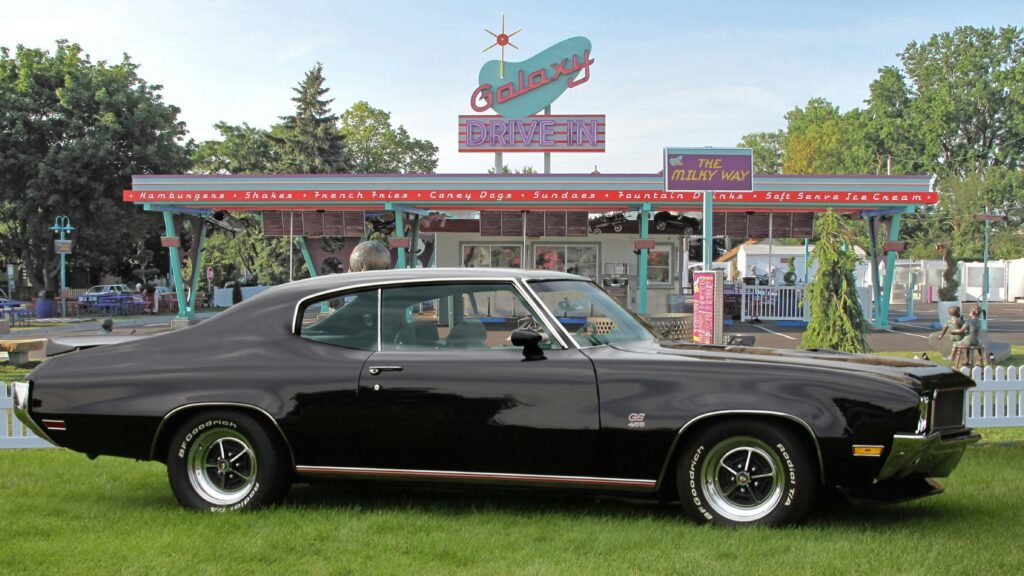
Sit with this one for a moment, because it shouldn’t exist. Buick built its reputation on comfort, on quiet dignity, on cars for retirees and dentists. Then it built the GSX, painted in eye-searing yellow and black, and shattered every assumption anyone held about the brand.
The 1970 GSX came with a 455 cubic-inch engine that produced a staggering 510 lb-ft of torque, a figure that outmuscled the Corvette of the same year. Picture a Buick engineer explaining this to a skeptical executive. “Buick. A muscle car,” the executive says, half a question.
“Not just a muscle car,” the engineer answers. “The strongest one on the lot.”
Pontiac Firebird Trans Am: The Survivor Who Refused to Quit
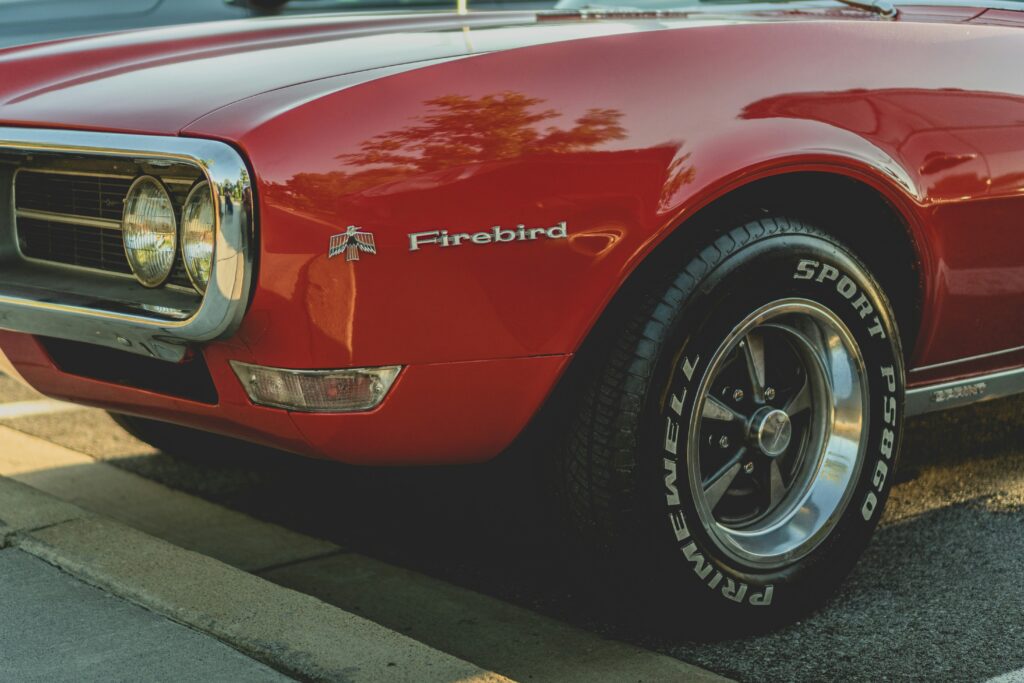
Some cars adapted instead of vanishing. You should respect that kind of stubbornness. Pontiac kept the Firebird Trans Am alive through the entire decade, even as rivals folded or watered themselves down into apology. The 1977 Trans Am, forever tied to the film Smokey and the Bandit, became a cultural icon precisely because it refused to disappear quietly.
Picture a teenager in 1977, walking out of a movie theater, staring at the parking lot like it just got smaller. His friend nudges him. “You seeing what I’m seeing?” he asks, nodding toward a black-and-gold Trans Am parked under a streetlight.
“I’m buying one the second I turn eighteen,” the teenager answers.
A movie, a car, a lit-up parking lot: that’s all it took to keep the dream burning through a decade determined to put it out.