

The Super Nintendo Entertainment System launched in North America on August 23, 1991. Nintendo priced it at $199 and bundled it with Super Mario World. By the time Nintendo discontinued the console in 2003, it had sold 49.1 million units worldwide. That number still undersells what actually happened on that machine.
Lists of the best Super Nintendo games tend toward two failure modes. One is nostalgia without evidence. The other is spec-sheet trivia without any real feeling behind it. We’re avoiding both here. What follows are 10 Super Nintendo games that earned their reputations the hard way. Sales figures, development histories, and design choices other studios spent years copying — that’s the evidence. Some of these picks will surprise no one. A few might. All of them still work, cartridge in slot, today.
Super Mario World
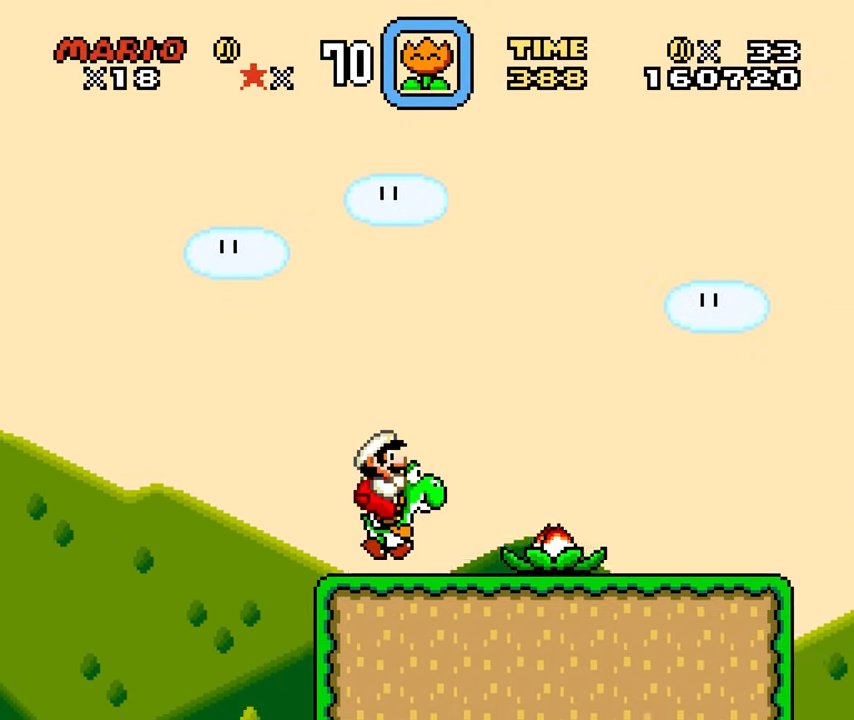
Nintendo shipped Super Mario World as the SNES pack-in game in Japan. That was November 21, 1990. The game went on to sell 20.61 million copies worldwide. That makes it the best-selling Super Nintendo game by a wide margin. It introduced Yoshi and gave Mario a cape for the first time. It also built an overworld map, letting players choose their own path through eight distinct worlds.
Shigeru Miyamoto’s team designed the game as a showcase for the console’s new hardware. It worked. Players and reviewers alike treated it as proof the 16-bit jump was worth the money. What’s easy to forget now is how tight the level design actually is. Every secret exit rewards curiosity without punishing the player who misses it. That balance — generous, but never sloppy — became the template for every SNES platformer that followed. Super Mario World didn’t just sell consoles. Every 2D Mario game since has chased the standard it set.
The Legend of Zelda: A Link to the Past
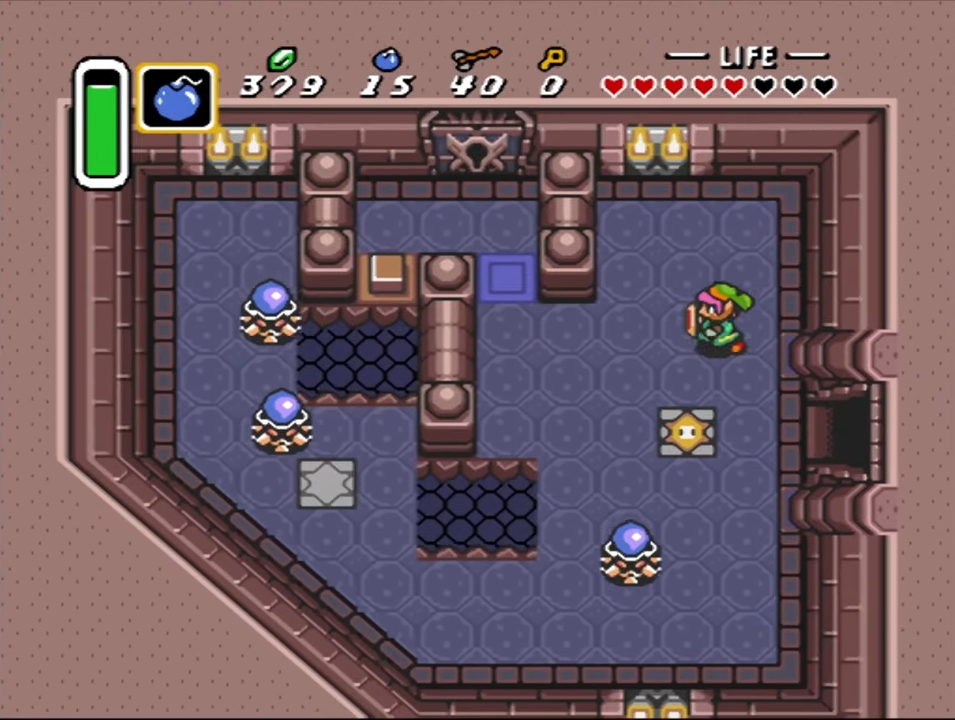
Nintendo released A Link to the Past in Japan on November 21, 1991. The North American version followed that April. It sold 4.61 million copies, making it the fifth-best-selling Super Nintendo game. Director Takashi Tezuka and producer Shigeru Miyamoto built the first Zelda game on a 1-megabit cartridge. That extra space gave them room for two overlapping worlds: Light World and Dark World.
That parallel-world structure is what other action-adventure designers kept borrowing for the next twenty years. The game introduced the Master Sword. It established Kakariko Village and Lake Hylia as series touchstones. It set a top-down formula so durable that Nintendo returned to it decades later, for A Link Between Worlds. Composer Koji Kondo’s score still gets performed by orchestras whose members have never touched a controller. Few sequels have matched it since. A Link to the Past isn’t just a great Zelda game. It’s the one that decided what a Zelda game actually was.
Super Metroid
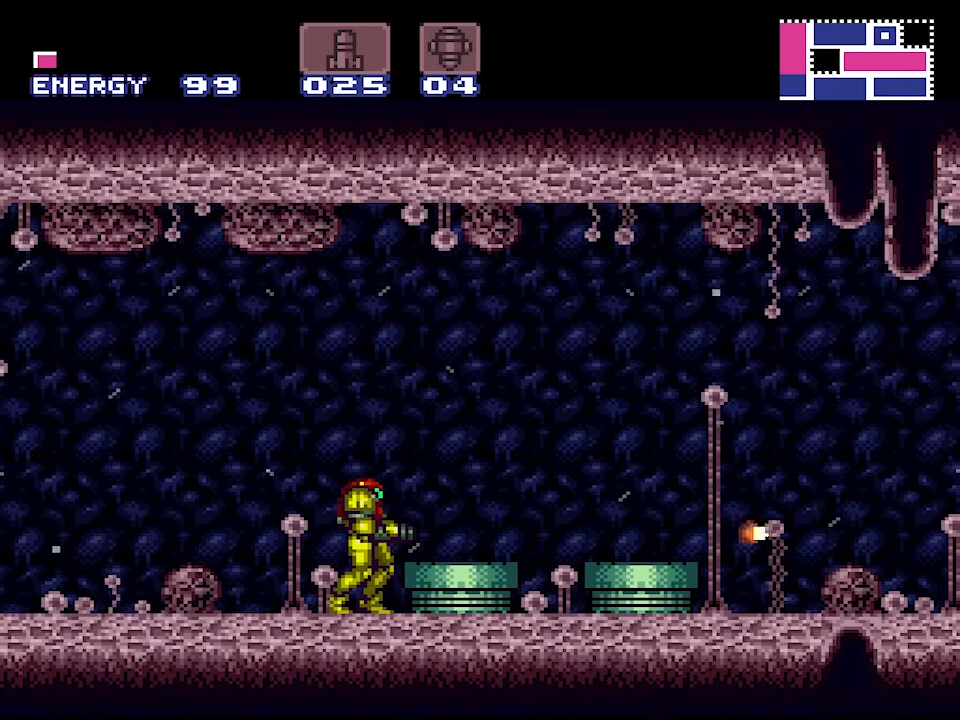
Director Yoshio Sakamoto led a team of just fifteen people on Super Metroid. They spent two years building it. Nintendo released the game in Japan on March 19, 1994, and in North America a month later. It sold a modest 1.42 million copies. That’s modest next to Mario and Zelda, but it says more about 1994’s crowded release calendar than the game’s quality. Sakamoto added an automap and a full inventory screen. He let players fire in every direction instead of just forward.
Development was reportedly chaotic enough that Sakamoto handed the game to his wife for playtesting feedback. That happened near the deadline. What emerged was a masterclass in environmental storytelling. There’s almost no dialogue and barely any text. Lighting, sound, and architecture carry every emotional beat instead. Along with Symphony of the Night three years later, Super Metroid effectively invented the genre now called Metroidvania. It sold modestly. It influenced nearly everything that came after it.
Chrono Trigger
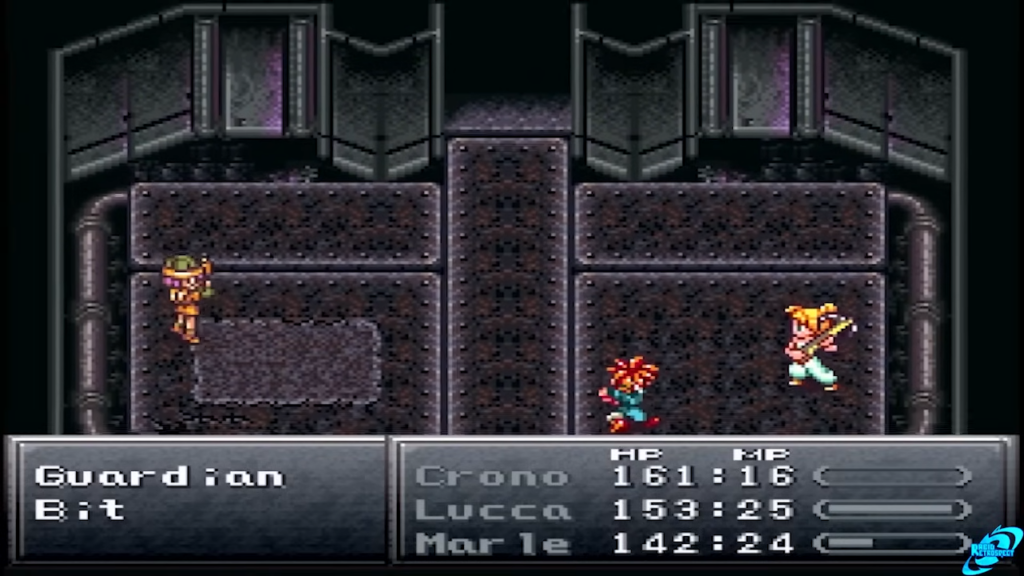
Square released Chrono Trigger in Japan on March 11, 1995. The company internally called the development team the Dream Team. That team paired Hironobu Sakaguchi, Yuji Horii, and Akira Toriyama — three of the biggest names in Japanese role-playing games. They all worked on one cartridge. It shipped 2.65 million copies worldwide by 2003. That’s a strong number for a genre that rarely crossed a million outside Japan at the time.
Director Takashi Tokita and his co-directors built a time-travel structure spanning prehistory to a post-apocalyptic future. The game included a New Game Plus mode and thirteen possible endings. Composer Yasunori Mitsuda scored most of it before falling ill. Nobuo Uematsu quietly finished the remaining tracks. Multiple endings weren’t a gimmick here. They rewarded a second and third playthrough by design. Few role-playing games of that era attempted anything as ambitious. Chrono Trigger proved a turn-based game could reward exploration as much as any action title.
Donkey Kong Country
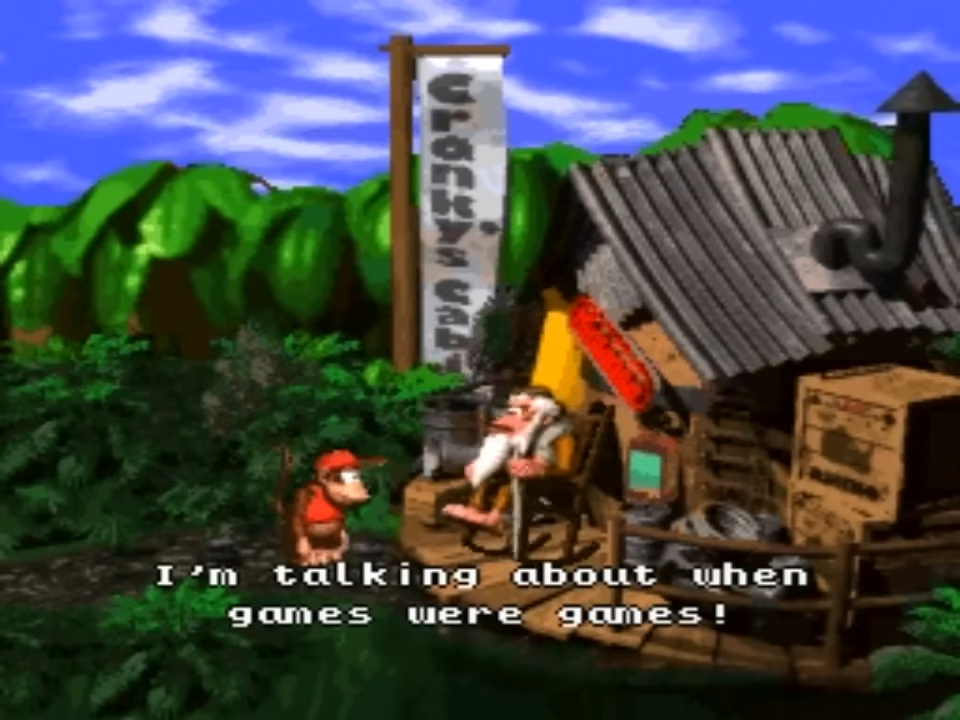
Rare spent $16 million on the American marketing campaign for Donkey Kong Country. The game earned it back many times over. It sold more than nine million copies worldwide after its November 1994 release. Brothers Tim and Chris Stamper had gambled the studio’s NES earnings on Silicon Graphics workstations. Those workstations rendered 3D models of Donkey Kong and Diddy Kong. The team then compressed those models into 2D sprites the SNES could actually run. Donkey Kong Country remains one of the most technically ambitious Super Nintendo games ever made.
A twelve-person team built the whole thing in eighteen months. That’s an absurd pace given what the visuals implied. Nintendo pulled the release date forward two weeks, to November 18, to beat the Christmas rush. The gamble worked. Donkey Kong Country topped holiday sales charts in both the U.S. and Japan. The pre-rendered look aged in ways hand-drawn pixel art hasn’t. But the underlying trick proved something durable. A five-year-old console could still shock people, given the right investment. Donkey Kong Country didn’t extend the SNES’s life so much as give it a second one.
Street Fighter II
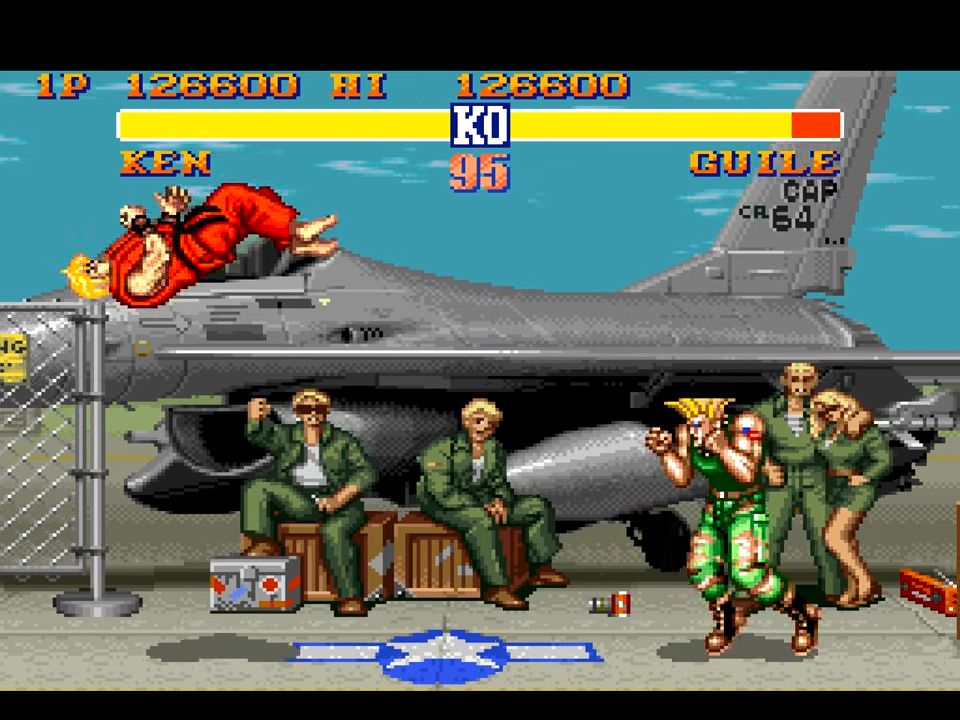
Capcom’s home conversion of Street Fighter II hit Japanese shelves in June 1992. It sold one million copies there within two weeks. It eventually moved 6.3 million units on the Super Nintendo alone. It retailed in the U.S. for $74.99. That was a startling price at the time, nearly double most SNES cartridges. Buyers paid it anyway.
The SNES version preserved the arcade’s eight playable characters almost intact. It kept the six-button layout and the full combo system too. That was no small feat in 1992. Home ports of arcade fighters usually lost something crucial in translation. That kind of fidelity wasn’t common yet. Electronic Gaming Monthly’s four reviewers gave it a combined 38 out of 40. They named it Game of the Month. Composer Yoko Shimomura’s score became as recognizable as the character roster itself. Street Fighter II didn’t just port well. It proved the SNES could carry the arcade experience home fully intact.
EarthBound
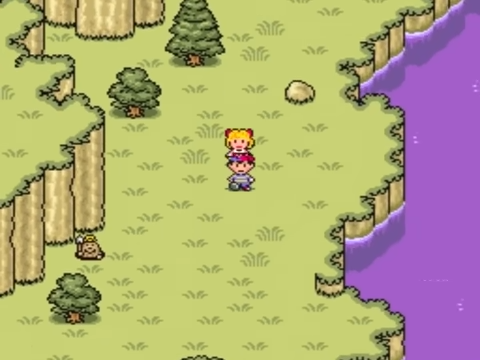
Nintendo of America spent roughly $2 million marketing EarthBound in 1995. Nearly all of it went toward magazine ads declaring “This game stinks.” Those ads included actual scratch-and-sniff cards. The game retailed at $69.95. That was a steep ask for a role-playing game built around deliberately unglamorous, suburban-America pixel art. There were no swords or dragons here, just yo-yos and baseball bats.
The gambit backfired badly. EarthBound flopped commercially in the U.S. Nintendo never bothered releasing it in Europe at all. What the marketing missed was the game itself. It’s a turn-based adventure written with genuine wit. Four kids fight a cosmic threat using psychic powers instead of magic spells. Shigeru Miyamoto reportedly played it start to finish. That made it the first role-playing game he’d ever completed. Decades of reappraisal have since turned EarthBound into one of the system’s most beloved cult titles. Sometimes the marketing department gets the pitch exactly backwards, and the game survives anyway.
Final Fantasy VI
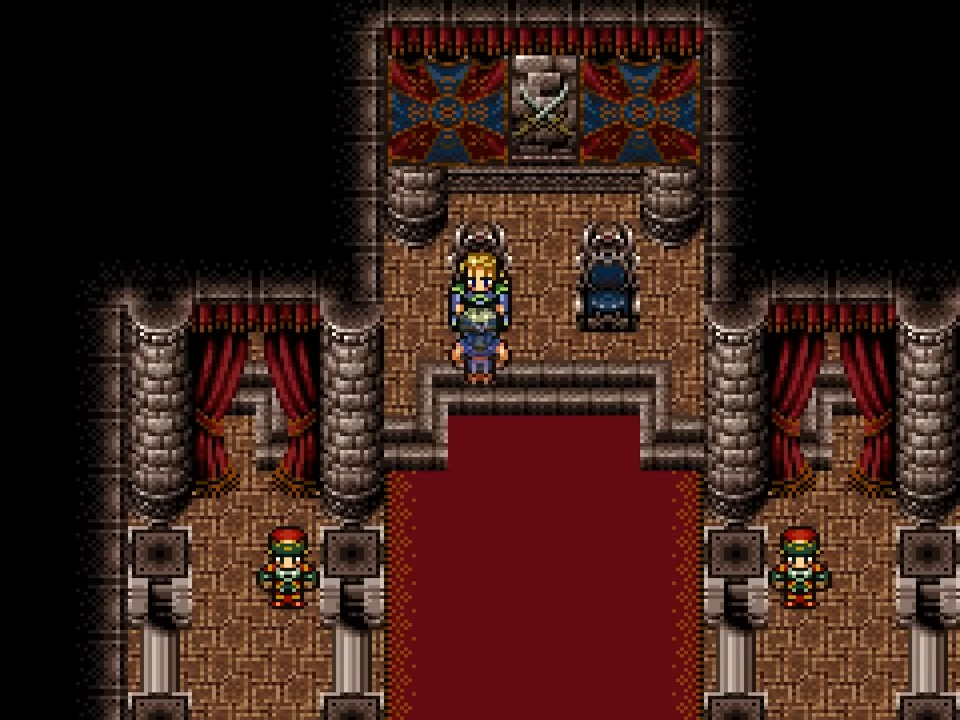
Square released Final Fantasy VI in Japan in April 1994. North America got it that October, under the name Final Fantasy III. That renumbering matched how many entries had actually reached American shelves. Translator Ted Woolsey localized the entire script under a punishing deadline. The SNES and PlayStation versions combined have sold over 3.48 million copies since. The game remained the last mainline Final Fantasy on a Nintendo console until 2018.
Directors Yoshinori Kitase and Hiroyuki Ito took the reins from series creator Hironobu Sakaguchi. It was their first time directing a Final Fantasy game. They used that freedom well. All fourteen playable characters take turns as the story’s actual protagonist. In the game’s midpoint twist, the villain succeeds outright and the world falls apart. That remains one of the boldest structural swings the genre has attempted. Nobuo Uematsu’s score won seven Nintendo Power awards on its own. Final Fantasy VI didn’t just close out the series’ 16-bit era. It gave the format its most ambitious send-off.
Super Mario Kart
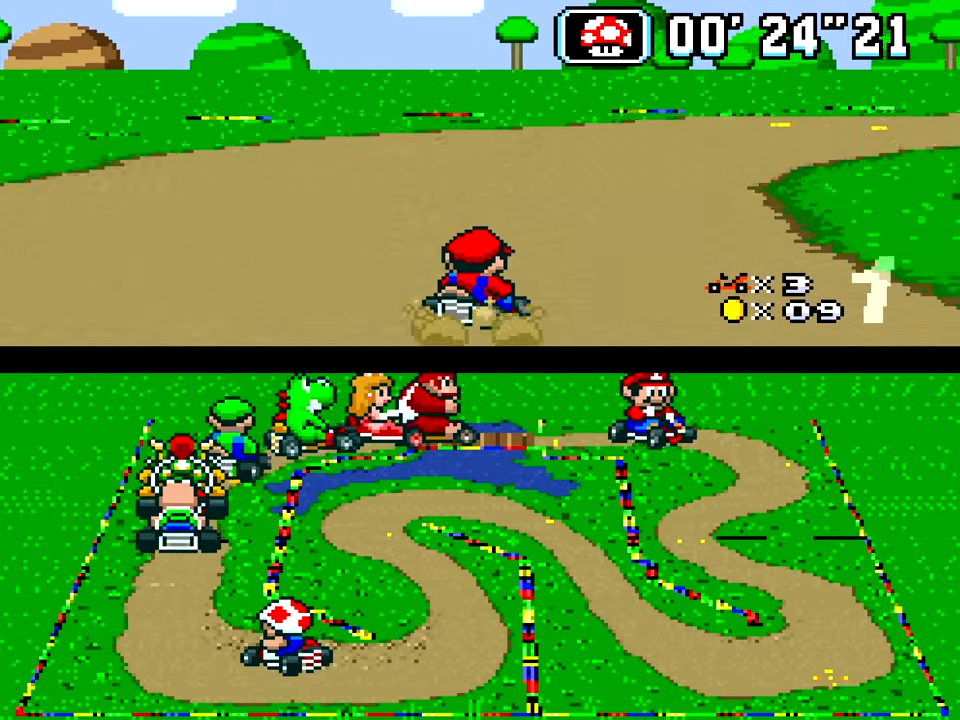
Nintendo released Super Mario Kart in 1992. It went on to sell 8.76 million copies. That’s still the best-selling racing title among Super Nintendo games. It wasn’t the first kart racer, but it was the first to matter. The game paired Mode 7’s pseudo-3D scaling trick with eight Mushroom Kingdom regulars. Its battle mode emptied out plenty of Friday nights on its own.
Item boxes, Rainbow Road, and the blue shell all debuted here. That happened three decades before anyone thought to complain about them online. The game’s simplicity is easy to underrate now. A dozen mainline sequels have since layered on gliders, underwater sections, and anti-gravity tracks. The original ran on four wheels, a banana peel, and a well-timed shell. Every Mario Kart game since has essentially been an argument with this one. Super Mario Kart didn’t invent kart racing. But it’s the version everyone else has spent thirty years chasing.
Star Fox
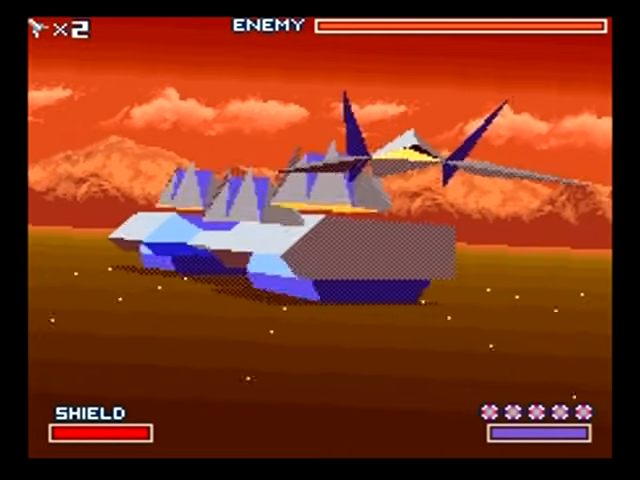
Nintendo and the UK studio Argonaut Software released Star Fox in Japan in February 1993. The North American version followed the next month. A custom chip, nicknamed the Super FX, powered the whole game. The chip handled the polygon math the SNES itself couldn’t manage. It let programmers Dylan Cuthbert and Giles Goddard render genuine 3D ships and terrain. Most games of the era relied on flat sprites instead.
Star Fox sold more than four million copies. That’s a striking number for a rail shooter with an unfamiliar control scheme. Nobody had really tried anything like it on a home console before. Shigeru Miyamoto designed the cast: Fox McCloud, Falco, Peppy, and Slippy. Argonaut built the engine underneath them. The framerate chugged and the polygons wobbled at the edges. None of it mattered; players had never seen anything resembling it. Star Fox proved the SNES still had headroom left. That was years before anyone expected the console to show its age gracefully.
The Verdict
Ten games, three decades of hindsight, and one pattern connects them. The best Super Nintendo games weren’t necessarily the ones with the biggest budgets. They weren’t always the ones with the loudest marketing campaigns either. EarthBound alone proves that. Nor were they always the biggest sellers. Ask Super Metroid, still beloved today despite modest numbers three decades ago. Donkey Kong Country topped nine million; Star Fox topped four.
What links Super Mario World to Star Fox is a shared willingness. Each pushed aging hardware past where Nintendo expected it to go. Each paired that ambition with design decisions confident enough to last. These are the choices that still hold up decades later. The televisions built for these games have long since gone into storage. The games themselves haven’t dated nearly as much. New consoles come out every five years or so. These ten Super Nintendo games have outlasted several of them already. That’s the actual argument for revisiting them now.