

Every autumn the internet fills up with the same breathless promise — that Europe, despite years of headlines about overtourism and a dollar that can’t seem to catch a break, still has corners where a traveler can eat well, sleep soundly, and not need a second mortgage to do it — and this year that promise happens to be mostly true, provided you’re willing to trade the Amalfi Coast for the Balkans and a five-star cave hotel for a hostel with genuinely excellent Wi-Fi.
What follows is a rundown of European cities where the numbers actually hold up: nightly rates, daily budgets, beer prices, the works, cross-checked against real cost indices rather than a travel blogger’s fond memory of a “cheap” trip taken in 2019. Fall matters here for reasons beyond crowd avoidance, too — hotel rates soften once the summer rush clears out, and several of these cities look their best precisely when the leaves start doing their thing. So consider this a shortlist of European cities for the budget-conscious and the mildly impatient: places where your money still buys you dinner, a museum, and a nightcap without a second thought — and where the biggest expense might just be the guilt of not tipping enough.
Sarajevo, Bosnia and Herzegovina — The Reigning Champion
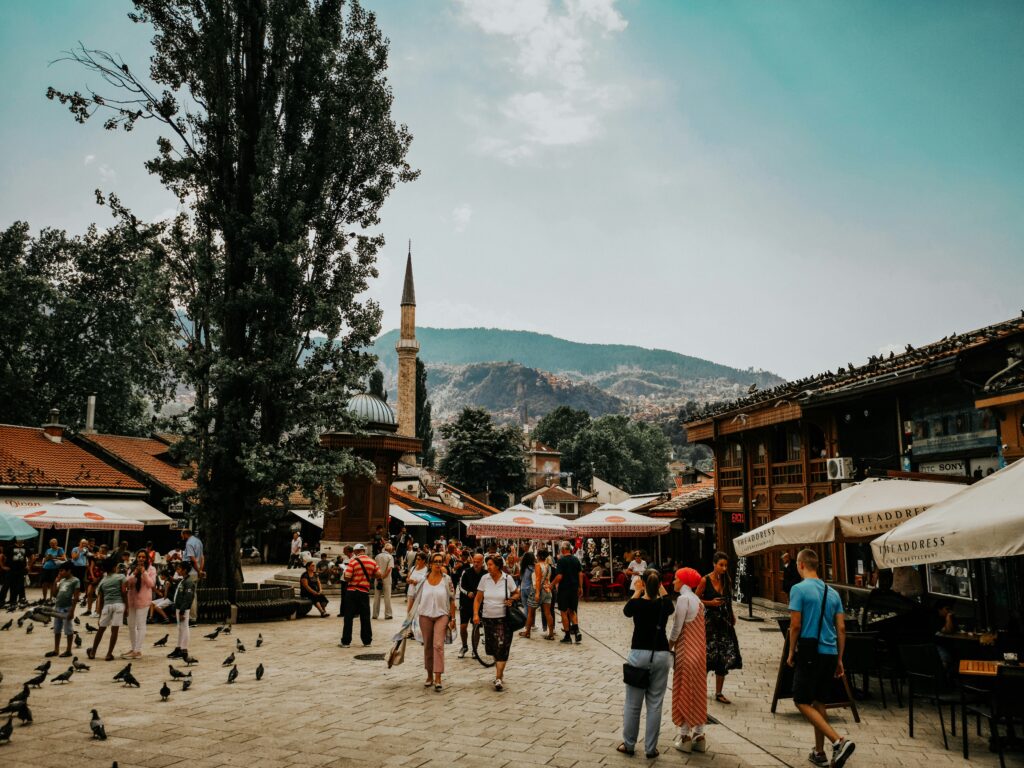
If there’s a single city wearing the budget-travel crown this year, it’s Sarajevo, where a benchmark short visit tracked by Post Office Travel Money came to just £248 (about $333) — cheap enough that you could, as one travel outlet dryly noted, afford a second Coke without recalculating your trip budget. The city’s charm isn’t purely a byproduct of its prices, either: it sits in a valley ringed by mountains, its old town splits the difference between Ottoman lanes and Austro-Hungarian boulevards in a way that makes “East meets West” feel like more than a tourism-board slogan, and the whole thing is walkable enough that you’ll rarely need to spend on transport at all. Daily budget travelers can expect to get by on roughly €45–50 a day, dorm bed and street food included — which, for a European capital with this much visual and historical density, is the kind of arithmetic that doesn’t usually work out this well.
Bucharest – The Eastern European Bloc
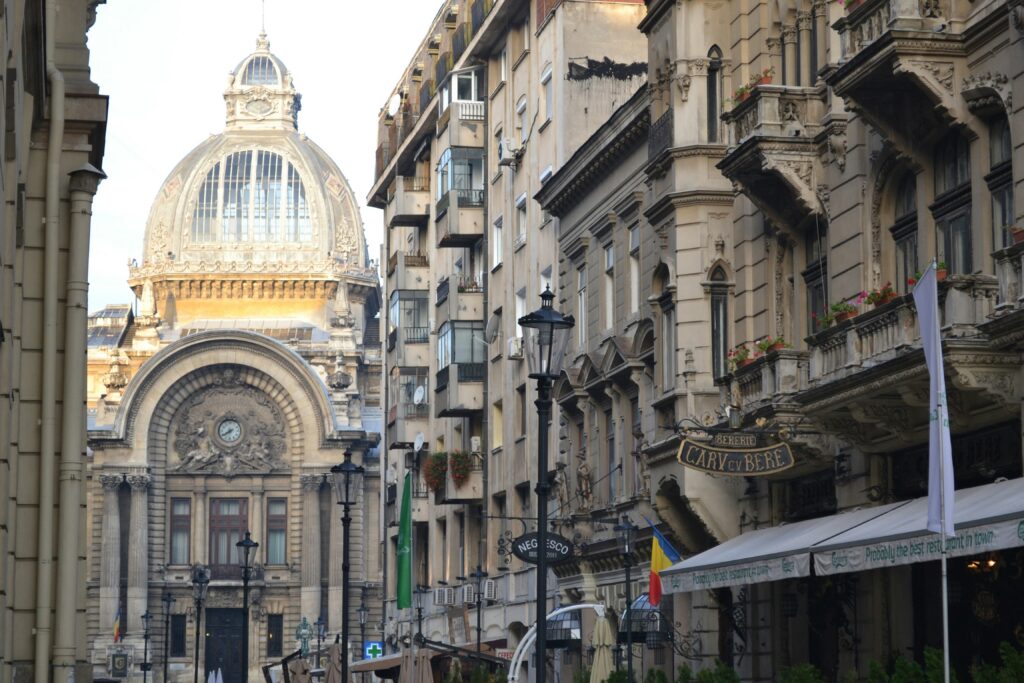
Sarajevo didn’t get to the top of the list alone; Bucharest, Romania finished second and Tirana, Albania came in third on the most recent affordability rankings, with Eastern Europe claiming eight of the ten cheapest spots overall. In Bucharest specifically, the Lipscani old town delivers cobblestones and a genuinely photogenic bookstore (Cărturești Carusel, which is worth the visit even if you buy nothing), and a proper Romanian dinner will typically run you between 7 and 10 euros — a price point that makes the city’s other headline attraction, the cavernous Palace of the Parliament, feel almost like a rounding error by comparison. Interestingly, Riga, Latvia — last year’s reigning cheapness champion — slipped to sixth place in 2026, a reminder that “cheap” is a title cities can lose as quickly as they win it, usually the moment word gets out.
Krakow, Poland — Reliable Value Pick
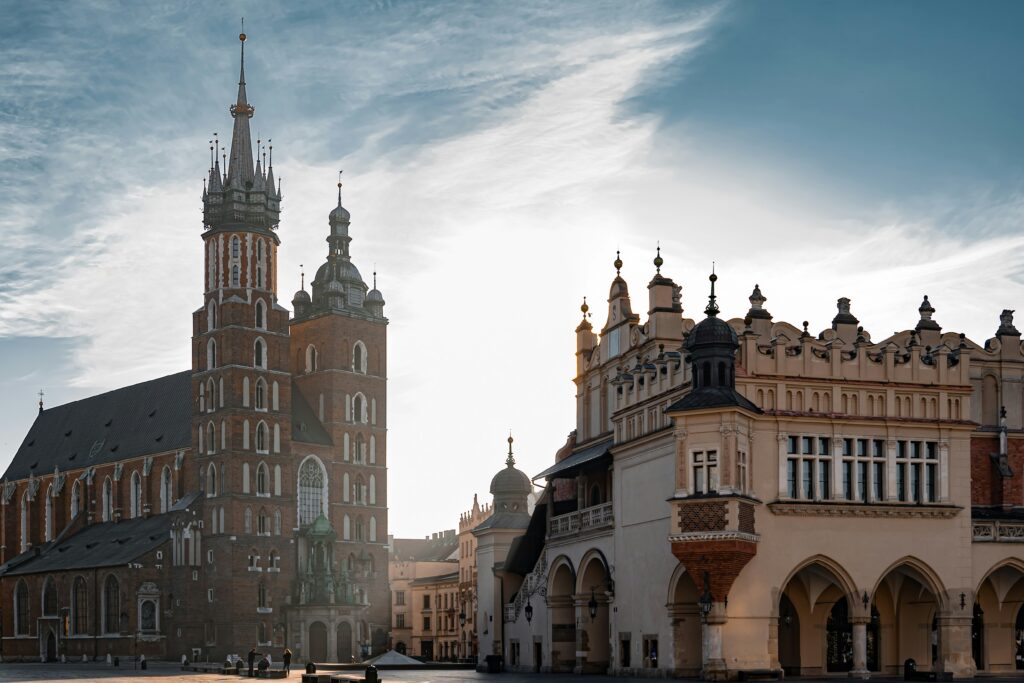
Krakow keeps showing up on these lists for a reason: it’s consistently ranked as the cheapest major European city in the 2026 Backpacker Cost Index, at roughly €48 a day, and unlike some budget destinations, it doesn’t feel like a compromise to visit. Its Rynek Główny is one of the largest and most intact medieval market squares on the continent, Wawel Castle looms nearby, and the Kazimierz district handles the “trendy” duties with art galleries and cafés that wouldn’t look out of place in a much pricier city. On the practical side, a local beer runs about 2 euros, and the milk bars — old-school, no-frills canteens left over from a different economic era — serve pierogi for under 15 euros, which in Krakow’s case usually means a full meal, not a sad plate of six dumplings. Autumn, according to travel writers who’ve clearly timed their visits well, brings a quieter, more poetic version of the city, with fewer tourists and softer prices to match — the off-season equivalent of getting the good seat at a restaurant without having to ask for it.
Belgrade and Sofia — The Balkans Keep Climbing
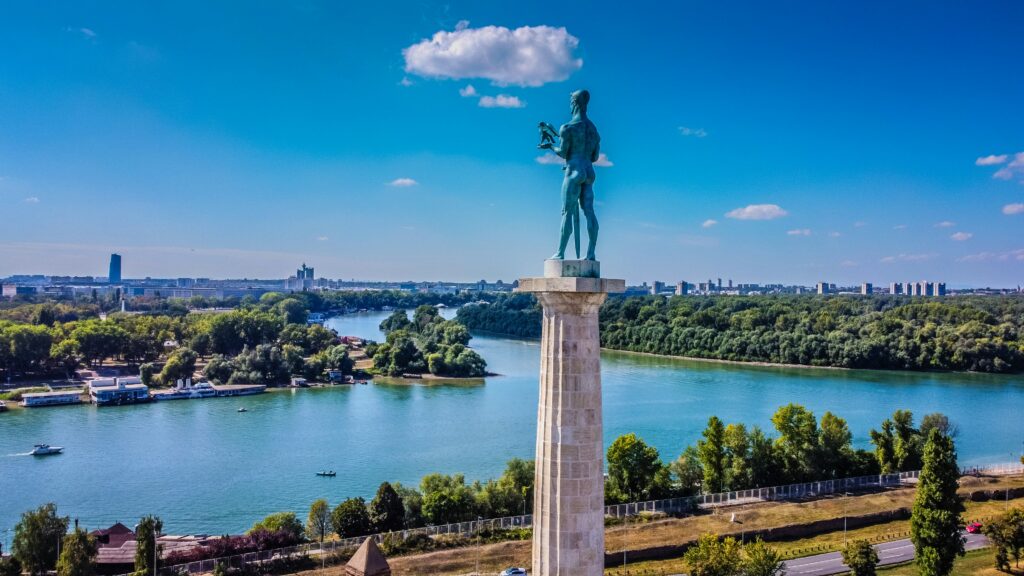
Belgrade has become something of a sleeper hit for budget travelers, running around €60 a day by the same backpacker index, and it comes with a genuinely useful perk: the city’s buses, trolleys, and trams are free for all passengers, a policy generous enough to make you wonder why every city hasn’t tried it (the caveat, as one guide gently puts it, is that the system is less polished than its Western European counterparts, so budget some extra patience along with your euros). The Church of Saint Sava — one of the largest Orthodox churches anywhere — charges no admission at all, which is either a lovely gesture of civic generosity or the smartest marketing move in the city, possibly both. Sofia isn’t far behind at around €62 a day, though it’s worth noting that Bulgaria’s adoption of the euro on January 1, 2026 has quietly eroded the city’s long-held reputation as an outright bargain — proof that currency unions have consequences well beyond the exchange counter, and that “cheap” cities have a way of aging out of the club the moment they join a bigger one.
Zagreb, Croatia — The Photo-Less Capital
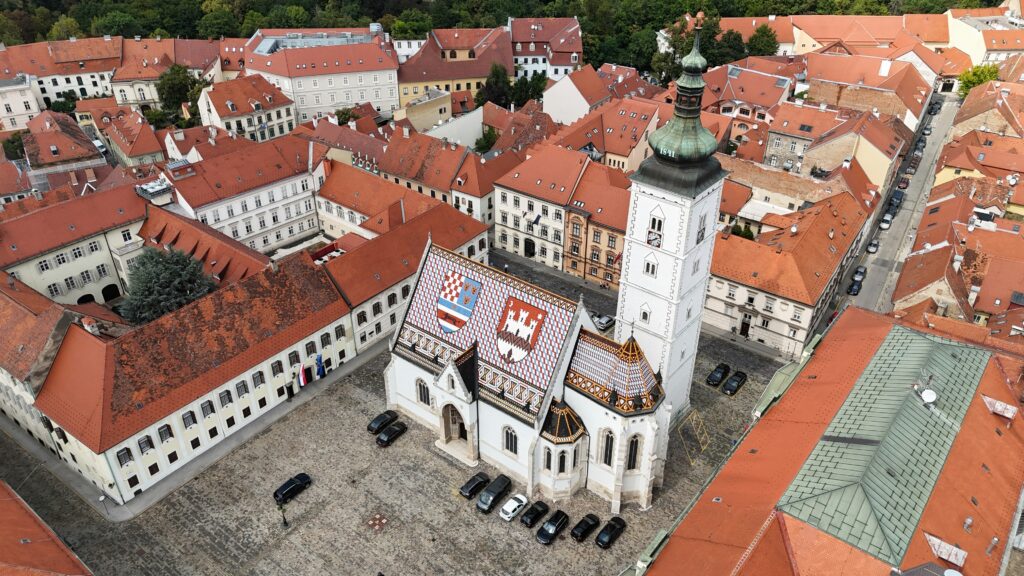
Croatia‘s tourist economy runs almost entirely on Split and Dubrovnik, which has left Zagreb in the odd position of being a national capital that most visitors have never considered — tucked a little too far inland to register on the average coastal itinerary, which, depending on your appetite for crowds, is either an oversight or a gift. What you lose in Adriatic views you gain in a genuinely walkable, café-heavy city center with none of the peak-season price surges that hit its coastal cousins every July and August. It’s the kind of place that rewards a fall visit specifically because nobody else is thinking about it in the fall — or, arguably, ever.
Ljubljana, Slovenia — Small, Green, Car-Free
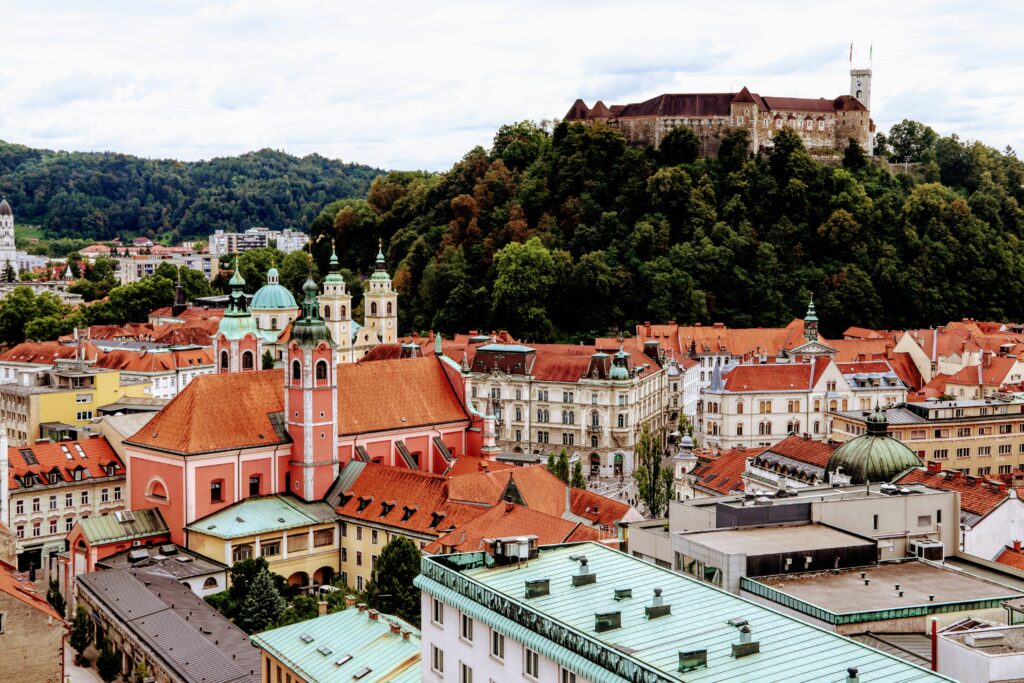
Ljubljana rarely tops these lists outright, but it deserves a mention for punching well above its size: it was named European Green Capital back in 2016, and its center remains largely car-free, split by the Ljubljanica river and connected by a handful of bridges that make the whole downtown feel more like a large plaza than a city. It’s smaller and quieter than Krakow or Belgrade, which suits travelers who want the Eastern European value proposition without quite so much foot traffic — a hidden gem in the fairly literal sense that most people genuinely haven’t heard of it.
Lisbon, Portugal — Western European Outlier
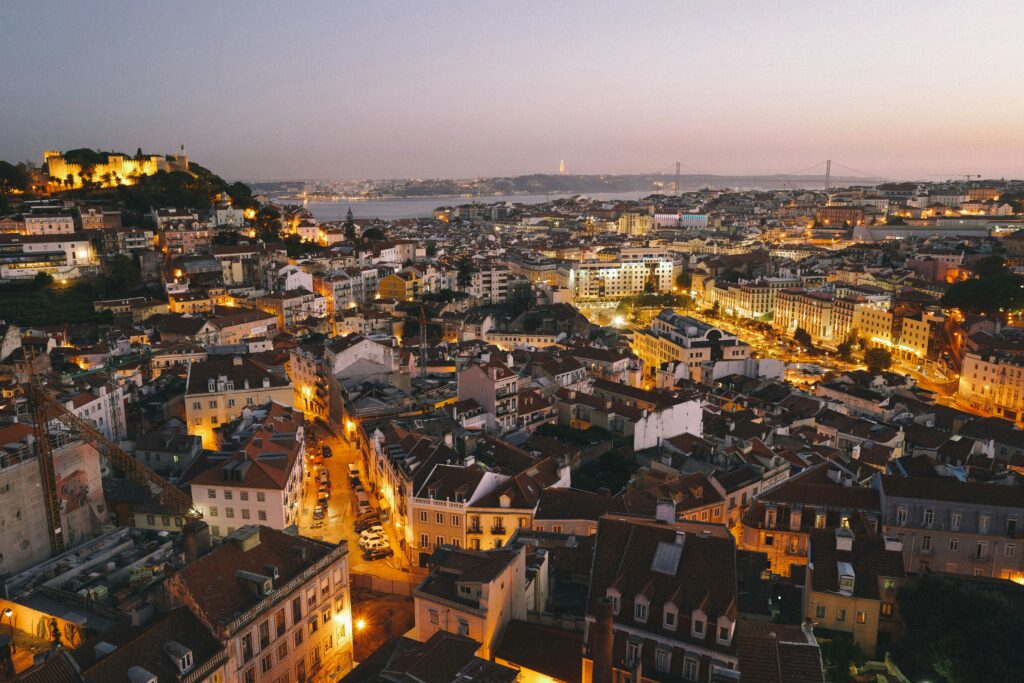
Nearly every city on this list sits east of Vienna, which makes Lisbon something of an anomaly: a Western European capital that still manages to undercut its peers by a meaningful margin. Comfortable hotels here can be found for under $200 a night, with vacation rentals dipping below $100 — figures that would barely cover a decent hotel breakfast in Paris or Amsterdam. The hills, the pastel façades, the Fado drifting out of bars in Alfama — Lisbon’s charm offensive is well documented, but the fact that it comes at a genuine discount relative to its Western European neighbors is the part that tends to get buried under the postcard photos.
Lille and Strasbourg — France’s Budget Exceptions
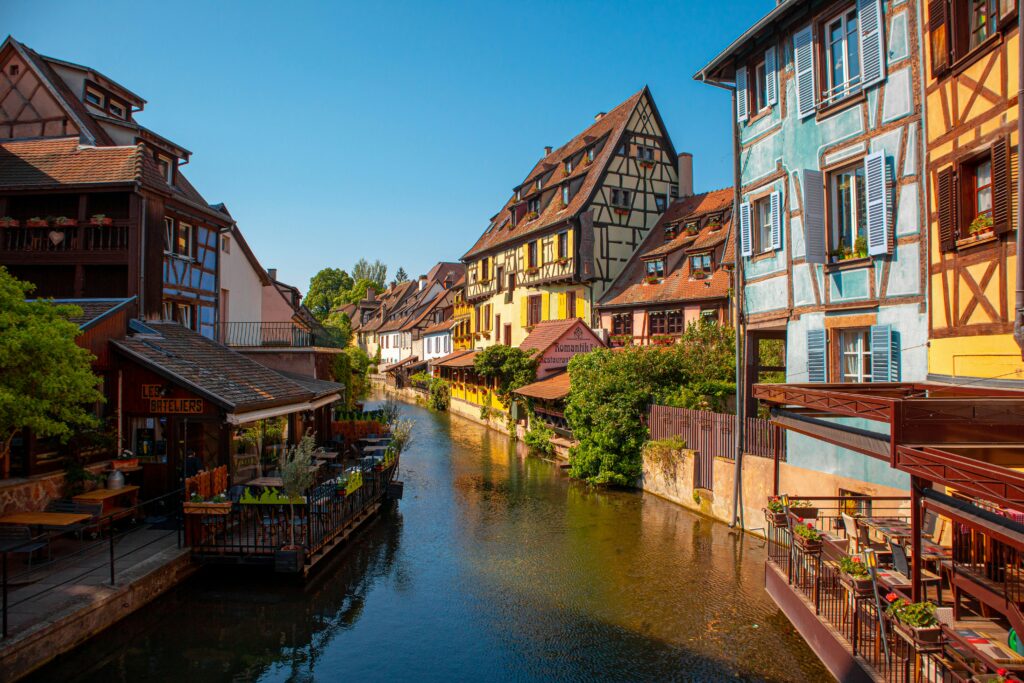
France doesn’t often show up on “cheap Europe” lists, but Lille and Strasbourg were the only two Western European cities to crack the top ten most-affordable rankings this year, landing in seventh and ninth place respectively. Neither city trades on beaches or blockbuster monuments; instead, they lean on compact, walkable centers, strong regional food scenes (Strasbourg’s Alsatian cooking alone justifies the trip), and a noticeably lower cost of living than Paris or Lyon. If the goal is “French city break without French city prices,” these two are, at the moment, the closest thing to a loophole.