

There is a specific, slightly manic energy that arrives every September — call it back-to-school adjacent, call it post-summer guilt, call it the ancient human instinct to prepare the den before the cold sets in — and if you’re the kind of person who finds genuine, unembarrassed joy in a well-labeled bin, you already know that fall is the real organizing season, not January, whatever the resolution-industrial complex tells you. January asks you to overhaul your entire life in a single traumatic weekend; fall simply asks you to put things back where they belong before the holidays arrive and undo all your work anyway. What follows are fifteen genuinely useful, reasonably specific interventions — some backed by actual professional-organizer methodology, some just backed by years of watching closets slowly become archaeological sites — for resetting a house that has spent three months quietly accumulating pool noodles, expired sunscreen, and mysterious cords belonging to devices you no longer own. Consider this less a to-do list than a seasonal maintenance manual for organization hacks, the kind you’d get with a car, if cars also collected loose hair ties and single, orphaned gloves.
Reclaim the Entryway Drop Zone

Start with the entryway, because the “drop zone” — the console table, the bench, the hook rack, whatever architecture your particular home has evolved to catch keys and mail and the seventeen tote bags nobody remembers acquiring — sets the psychological tone for the entire house, and a single labeled bin per family member (extremely low-tech, extremely effective, the organizing equivalent of a seatbelt) will do more for your daily sanity than any elaborate system installed three rooms away.
Institute the One-Touch Mail Rule

One of many organization hacks professional organizers sometimes call the “one-touch rule” to mail specifically, meaning every piece gets sorted, recycled, or filed the moment it crosses the threshold rather than joining the ever-thickening sediment layer on the kitchen counter — a habit that, according to surveys from organizations like the National Association of Productivity and Organizing Professionals, is one of the most commonly cited “gateway” changes that leads households toward broader decluttering.
Run the Reverse-Hanger Closet Audit
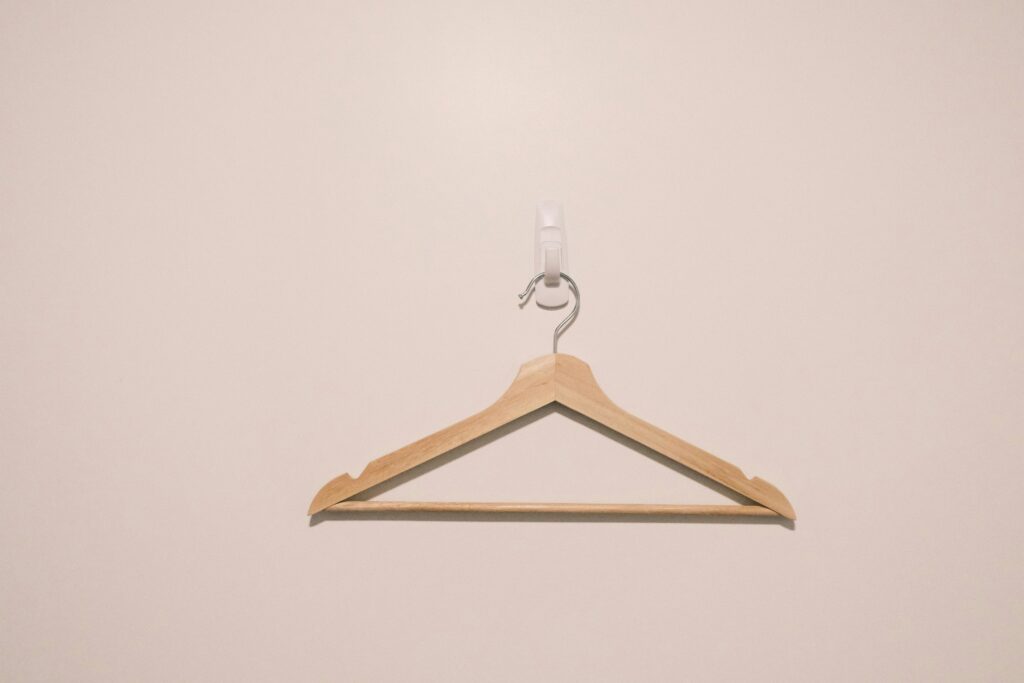
Rotate your closet by season using the reverse-hanger trick — turn every hanger backward at the start of summer, then flip it right-side-up each time you actually wear the item — because by the time fall arrives you’ll have hard data, not vague guilt, about which quarter of your wardrobe you genuinely touched (spoiler, for most people, it hovers stubbornly around 20 percent, the same rough ratio cited in countless closet-usage studies over the decades).
Swap in Slim Velvet Hangers

Invest in slim velvet hangers if you haven’t already, since swapping wire or bulky plastic hangers for the thin velvet kind (typically around a quarter-inch thick, versus an inch or more for standard plastic) can free up genuinely startling amounts of closet rod space — professional closet designers routinely cite a 30 to 50 percent increase in hanging capacity from this swap alone, which is either a delightful bit of trivia or a slightly damning indictment of how much wasted space we’ve all been living with.
Standardize the Pantry Containers

Tackle the pantry with uniform, see-through containers rather than leaving everything in its original bag or box, because standardized containers (mason jars, OXO POP containers, whatever fits your shelving) don’t just look satisfying in a way that borders on therapeutic — they measurably reduce food waste, since visible contents get used before the mystery half-bag of quinoa buried behind the cereal does.
Audit the Spice Cabinet’s Expiration Dates

Set an actual expiration-check ritual for the pantry and spice cabinet each fall, since ground spices lose most of their potency within roughly one to three years (whole spices last considerably longer, a fact spice companies like McCormick will happily confirm, presumably while hoping you buy replacements), and there is a very good chance the paprika currently in your cabinet has outlived at least one presidential administration.
Tame the Cord and Cable Drawer

Digitize your loose cord and cable collection before it becomes sentient, using a simple system — labeled cable ties or even numbered pieces of washi tape — cross-referenced against a phone photo of which cord goes with which device, because the alternative, a drawer of anonymous cords kept “just in case,” is less a storage solution than a monument to indecision.
Enforce One In, One Out for Kids’ Stuff

Apply the “one in, one out” rule specifically to toys and kids’ clothing as the school year ramps up, a method widely recommended by professional organizers and child psychologists alike, since it keeps volume in check automatically rather than requiring a periodic, tearful, four-hour purge that nobody, least of all the child watching their stuffed animals get triaged, actually enjoys.
Downsize the Linen Closet to Two Sets Per Bed
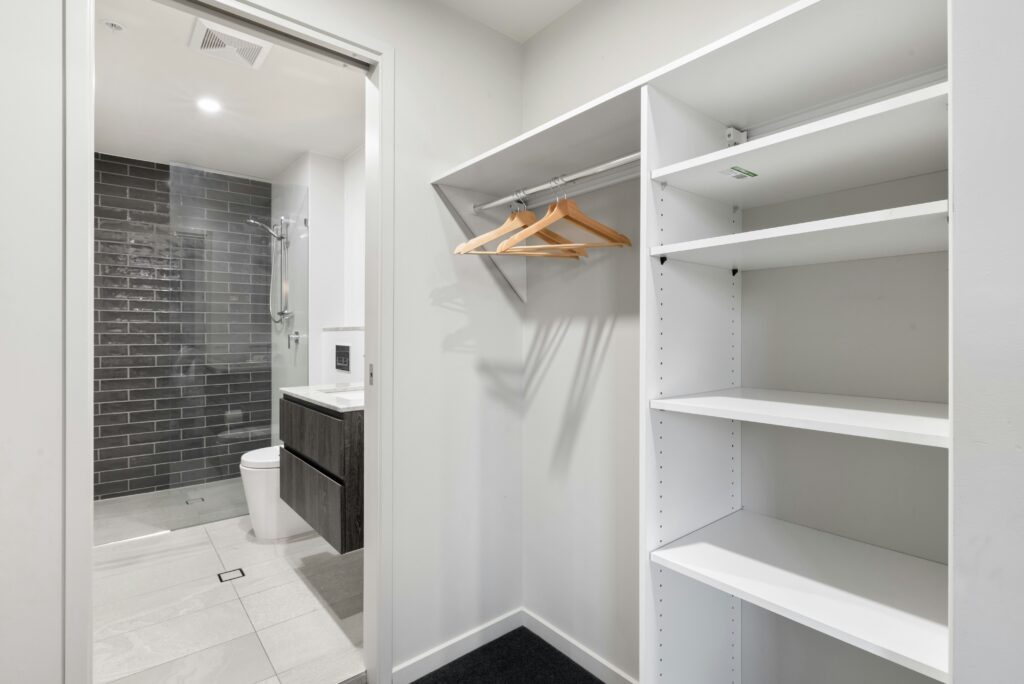
Reassess your linen closet using the genuinely simple two-per-bed rule (one set on the bed, one in the closet, everything else is arguably a hoarding tell), since most households, according to more than one professional organizing survey, own two to three times more sheet sets than they could plausibly use in a rotation, a surplus that fall — with its instinct toward coziness and flannel — makes an excellent excuse to finally address.
Sort the Garage Before It Sorts You

Clear out the garage or mudroom of summer gear methodically rather than in one overwhelming heap, sorting pool floats, sports equipment, and gardening tools into “store,” “donate,” and “toss” categories on the spot, because gear left in transitional limbo has a documented tendency to simply remain in transitional limbo, sometimes for years, sometimes until a subsequent owner of the house discovers it.
Label Every Bin With Contents and Date
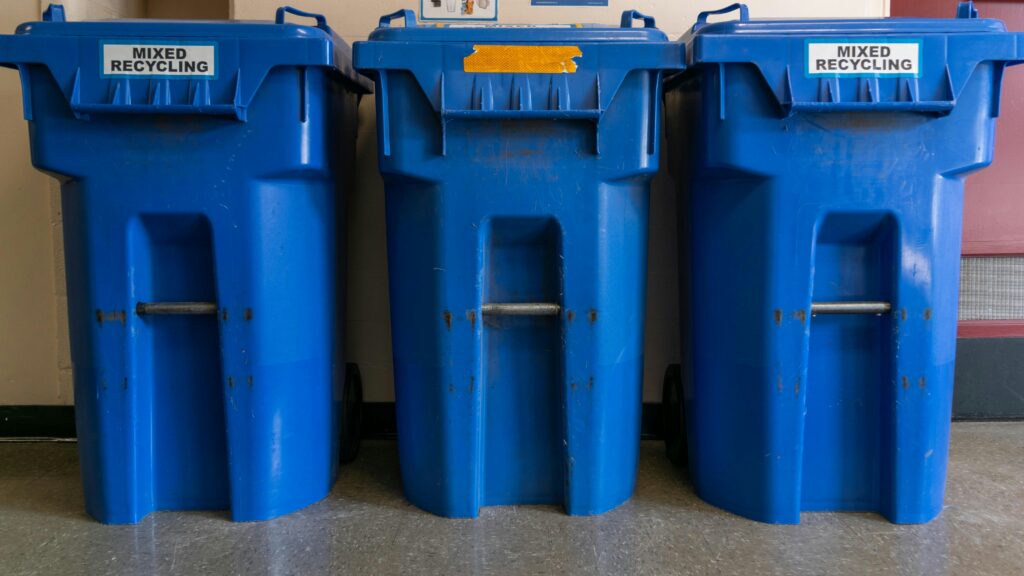
Label your storage bins with both contents and a rough date, particularly for seasonal decor and off-season clothing, since a bin labeled simply “misc” is not organization so much as a beautifully taped act of denial, and future-you, digging through the garage in November looking for exactly one string of lights, will not thank present-you for the vagueness.
Use the Three-Box Method for Any Purge

Use the classic three-box method — keep, donate, discard — for any single-category purge (books, kitchen gadgets, that drawer of chargers), a technique popularized across professional organizing circles precisely because forcing a binary, immediate decision on each item prevents the far more common failure mode of creating a fourth, informal box called “decide later,” which experience suggests is really just a fifth box called “never.”
Know Your Donation Deduction Limits

Know your donation math before fall cleanout season peaks alongside everyone else’s, since the IRS allows charitable deductions for donated goods without a formal written appraisal only up to $500 in total value per return (items valued over $5,000 generally require a qualified appraisal), a detail worth knowing before you drop off eleven bags at Goodwill and lose track of what any of it was actually worth.
Check Your Wall-Mount Weight Limits
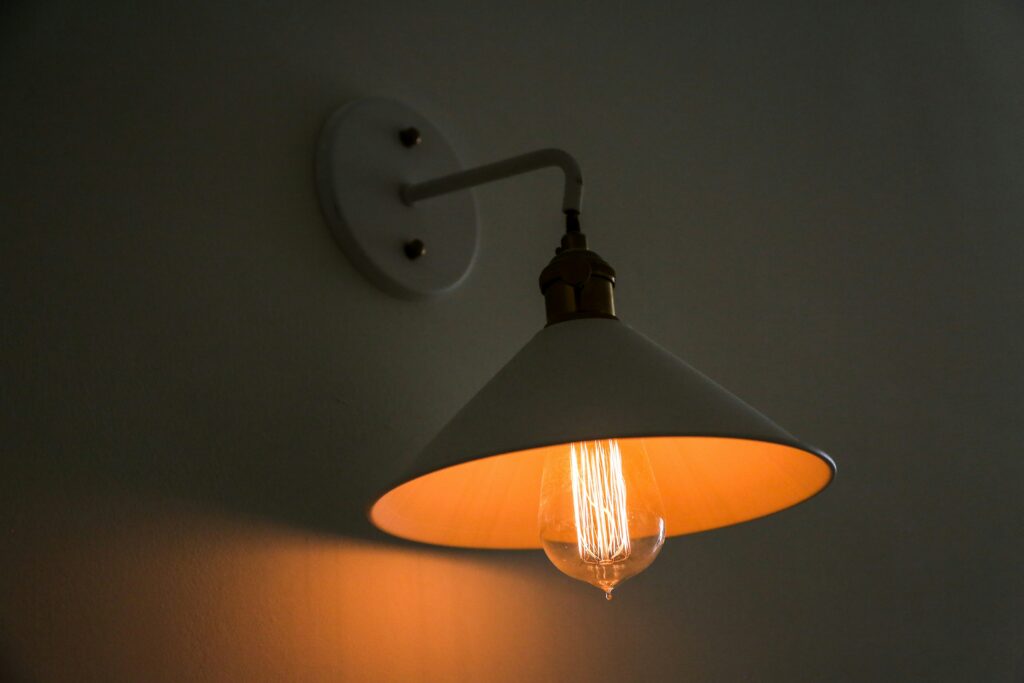
Weight-test your wall-mounted storage before fall closet season tempts you to hang everything at once, since Command-brand hooks and strips, to cite one commonly used example, carry manufacturer-rated limits typically ranging from about half a pound for the smallest sizes up to roughly seven and a half pounds for the largest, and exceeding that limit tends to announce itself suddenly, gravitationally, and usually while you’re not in the room.
Don’t Forget the Digital Declutter

Finish with a digital declutter alongside the physical one, since photo libraries, email inboxes, and desktop folders accumulate their own seasonal sediment just as surely as junk drawers do, and setting aside even one hour to delete duplicate photos and archive old emails tends to produce a disproportionate sense of relief relative to the actual time invested — organizing, it turns out, works on files just as reliably as it works on shelves.