

A midrange minor kitchen remodel gets back about 113 percent of its cost when you sell, a wood deck 95 percent and a midrange bath remodel 80 percent, according to the 2025 Cost vs Value report. The cheapest wins on this list are paint, landscaping and energy upgrades. Here are ten home improvements that add value, with the numbers behind each.
Updated October 25, 2026.
I have walked through enough homes for sale to know what a buyer notices first: the front yard, the paint and the kitchen. They notice smell and light before square footage. Your home is where your heart is, and maybe it is time to turn it into a place you really love, whether you have dreamed about a remodel for years or a backyard makeover for several summers. The projects below start with the cheap things buyers see and end with the bigger ones they pay for, after a basic home organization reset. Fair warning, though: plenty of them return less than they cost when you sell.
Paint: the cheapest home improvement
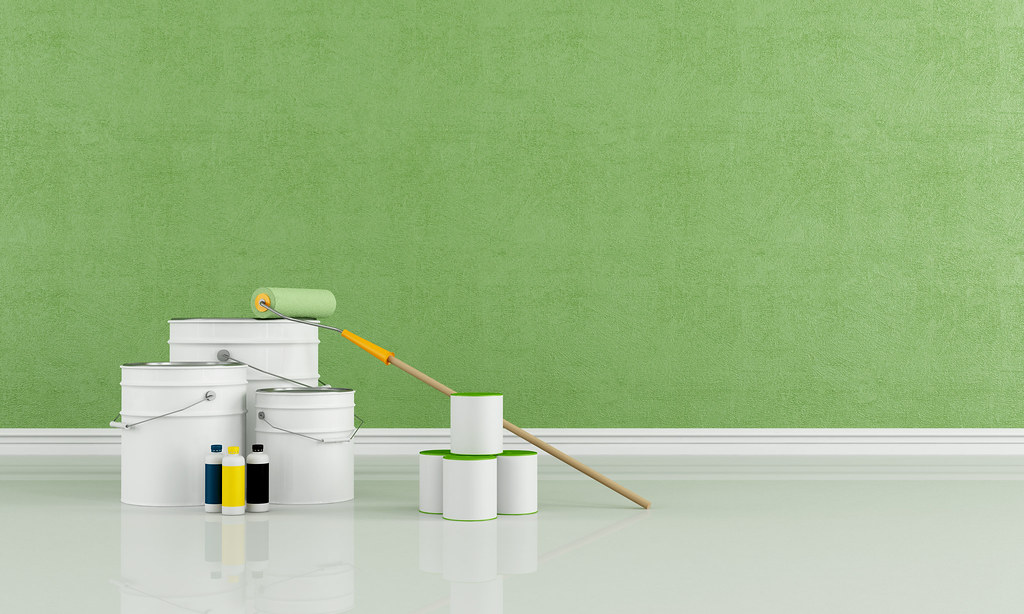
Paint is one of the cheapest and easiest upgrades, and the color of a house is the first thing anyone notices, inside or out. So wow them. In the National Association of Realtors’ 2025 report, 50 percent of Realtors recommended painting the entire home to sellers, and 41 percent recommended painting a single interior room. I would go with a neutral color, since most people like neutral colors. A freshly painted room looks clean and cared for, and that reads as value. Anyone who has ever moved out of a rental knows how much a fresh coat of paint changes a room.
Plant trees for curb appeal

The front of the property is what a buyer sees from the street, so anything from flower beds to a hedge around the house is worth the effort. Trees are the slow version of this improvement. If you are not selling soon, plant shade trees now and let them grow, because a full-grown, well-placed tree makes a house look established. Mature trees also add shade and make a home more appealing.
Fix up the lawn

A patchy lawn and overgrown bushes make a house look neglected. The fix is cheap and does not take much work. A lawn service can trim the yard and shape the hedges, and you do not need a full landscape redesign to tame the jungle and change what the street sees. Most of us size up a house in the few seconds it takes to walk past it, and the lawn is front and center.
Energy-saving home improvements: fans and fixtures

Heating and cooling make up almost half of the average American household’s annual energy bill, more than $900 a year, according to ENERGY STAR. A new ceiling fan is a simple place to start. A good one moves a gentle breeze around in the hot months and gives off useful light. ENERGY STAR says its certified ceiling fans are up to 44 percent more efficient than conventional fans. An old, wobbly or noisy fan is an eyesore, so swapping it also improves how the room looks. If you have ever lain in bed listening to a fan wobble overhead, you know how annoying that is.
Kitchen and bathroom: the biggest home improvements
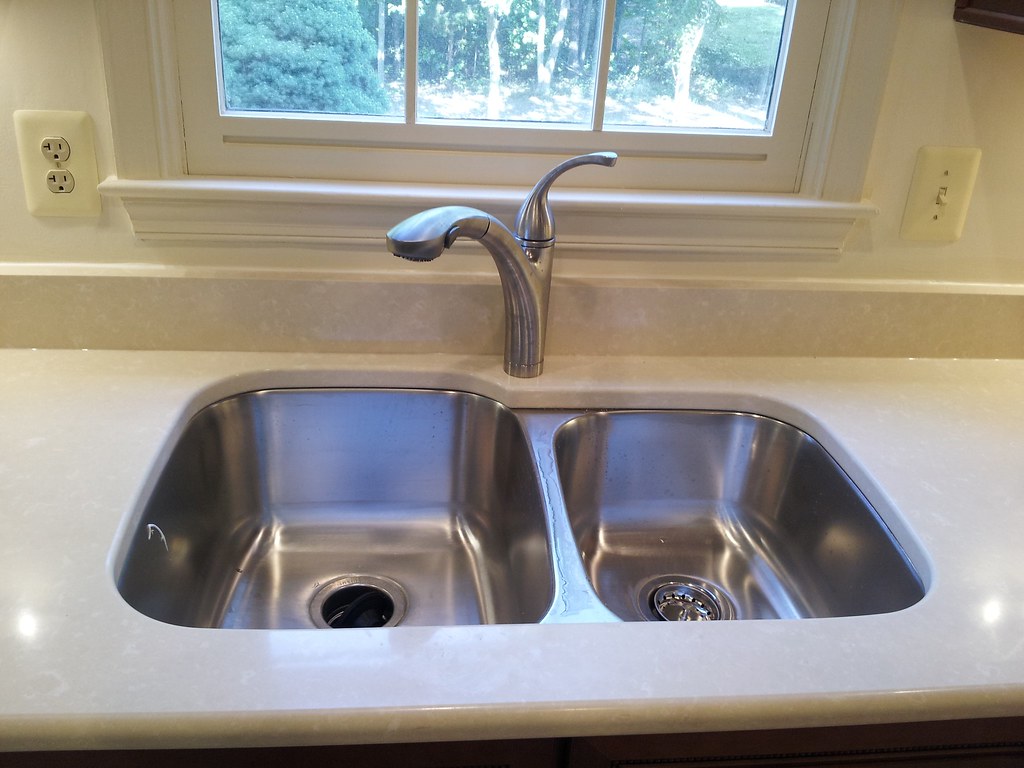
These two rooms gain the most from a remodel, even a small one. The 2025 Cost vs Value report puts a midrange minor kitchen remodel at an average job cost of $28,458 and a resale value of $32,141, a 113 percent return. A midrange bath remodel costs $26,138 and returns $20,915, or 80 percent. The more you spend, the less you get back: the upscale bath remodel recouped 42 percent.
The Realtors’ 2025 report points the same way for kitchens. Kitchen upgrades earned a Joy Score of 10, the top of its 1-to-10 satisfaction scale, and 48 percent of Realtors saw increased buyer demand for them, compared with 35 percent for bathroom renovations. If the budget is tight, start with one worn piece, such as a stained sink, an outdated microwave, an old vanity or dated lighting. A gleaming new stainless steel microwave can change the whole look of a kitchen. Updating the cabinets, countertops and appliances can also make a kitchen work better and look nicer, and new tile flooring can freshen up a bathroom.
Replace worn carpets and rugs

Look at the soft flooring in your house. Are your area rugs and carpets stained or damaged? Buyers tend to hold that sort of thing against a home. Ideally you would replace all of it, but if that is not in the budget, start with the room that has the most wear and tear, and pick a new, modern style.
Add insulation to the attic
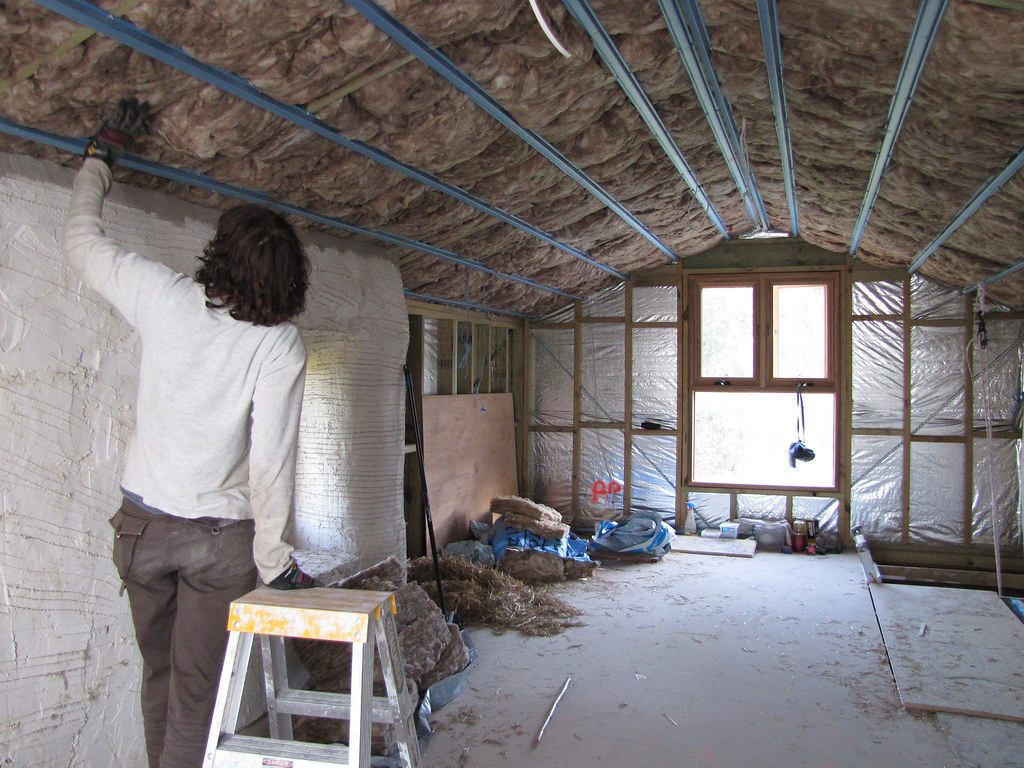
Insulation affects comfort and energy cost, and buyers ask about it. It helps keep warm air inside in the winter and cool air inside in the summer. The U.S. Department of Energy says a higher R-value means greater insulating effectiveness. It publishes recommended attic R-values for each climate zone, with separate figures for an uninsulated attic and one that already has some insulation, so look up your zone before you buy material.
Deck or patio: a home improvement buyers notice

A deck or patio adds usable living space, and many buyers like having one. Stone, composite and wood are the usual choices, so match the material to your home’s style and your climate. Add some lights and it becomes a warm spot at night, perfect for an outdoor family game night. The 2025 Cost vs Value report puts a wood deck addition at an average cost of $18,263 and a resale value of $17,323, a 95 percent return. A composite deck costs $25,096 and returns $22,199, which the report lists as 89 percent. It does not pay for itself in full, but it comes close, and you get to use it first.
Refinish or install hardwood floors
Hardwood is expensive to install, and it is a feature buyers look for in listings. They like how it looks and how long it lasts. Oak, maple, cherry and Brazilian cherry are popular choices, and each one has its own hardness, texture and color. Engineered hardwood and bamboo can look similar for less money, though check the product details before you buy. If you already have hardwood under old carpet, refinishing it is usually cheaper than laying new.
Add smart home technology

Smart thermostats, locks, cameras and lighting controls let you run the house from a phone or tablet. This kind of tech has grown more popular over the past decade, and it can make a home more appealing to buyers. ENERGY STAR says its certified smart thermostats are independently certified, based on field data, to deliver energy savings. It does not give a single savings figure, so treat the claim as a reason to pick a certified model and not as a promise. Anyone who has driven away from home and wondered if the door was locked can see the appeal of a smart lock.
Which home improvements pay back the most?
The biggest returns in the 2025 Cost vs Value report come from small exterior jobs. Garage door replacement cost $4,672 on average and returned $12,507, or 268 percent. A steel entry door cost $2,435 and returned $5,270, or 216 percent. Manufactured stone veneer cost $11,702 and returned $24,328, or 208 percent. The NAR report points the same way on doors: remodelers surveyed for it estimated a new steel front door recovers 100 percent of its cost.
Which home improvements add the most value?
Which home improvement adds the most value?
In the 2025 Cost vs Value report, garage door replacement had the highest return: a $4,672 average job cost and $12,507 in resale value, or 268 percent. A steel entry door returned 216 percent and manufactured stone veneer 208 percent. All three are exterior jobs that change what a buyer sees from the street.
Does a kitchen remodel add value?
A midrange minor kitchen remodel returned 113 percent in the 2025 Cost vs Value report, on a $28,458 average cost. The Realtors’ 2025 report gave kitchen upgrades a Joy Score of 10 out of 10 and found 48 percent of Realtors saw increased buyer demand. Larger, upscale remodels return a smaller share of their cost.
Does adding a deck increase home value?
Partly. The 2025 Cost vs Value report shows a wood deck addition returning 95 percent of its $18,263 average cost and a composite deck returning 89 percent of $25,096. A deck rarely pays back in full at resale, but it comes close and adds usable space while you live there.
Do smart thermostats save money?
ENERGY STAR certifies smart thermostats based on field data to deliver energy savings, though it does not state a single figure on its page. Heating and cooling are almost half of the average household’s annual energy bill, more than $900 a year, so even a modest cut is worth having.