

Every kid who owned a comic book had a character they’d defend on the playground. The arguments were rarely about who’d win a fight; they were about who mattered more, which is a harder question and a far louder one. This list settles nothing (no list ever does), but it does pick the ten characters whose debuts, relaunches and Saturday-morning cartoons taught two or three generations what a hero looked like — and, in one case, what a villain’s girlfriend with a mallet looked like.
Some came out of the late-1930s newsstand boom, when a ten-cent issue could launch an empire. Others were drawn in a New Hampshire living room, or showed up on a TV cartoon before they ever touched paper. We kept the specifics checkable: debut issue, cover date and the people who actually wrote and drew them. If your favorite is missing, that’s an argument worth having.
Regardless, here’s our list of the 10 comic book characters that defined a generation’s conception of what a hero should look like.
Golden Age comic book icons (1938–1941)
1. Superman
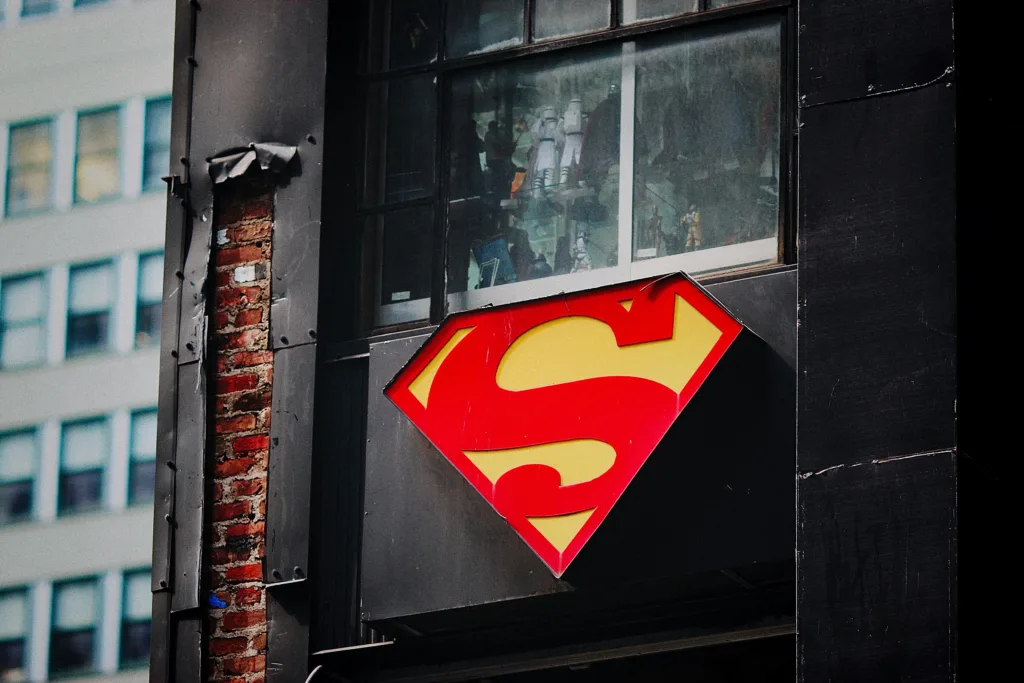
Jerry Siegel and Joe Shuster were two Cleveland teenagers who spent years failing to sell a newspaper strip about a man from another planet. Then National Allied Publications put him on the cover of Action Comics #1, lifting a green car over his head — still the most imitated image in the medium. They signed the rights away for $130. That figure stings more every time a copy sells, and one went for $6 million at Heritage Auctions in 2024. For 1990s kids, though, the defining Superman story was his death in Superman #75 (cover-dated January 1993), sold in a black polybag that a lot of people bought believing it would pay for college. It did not.
2. Batman
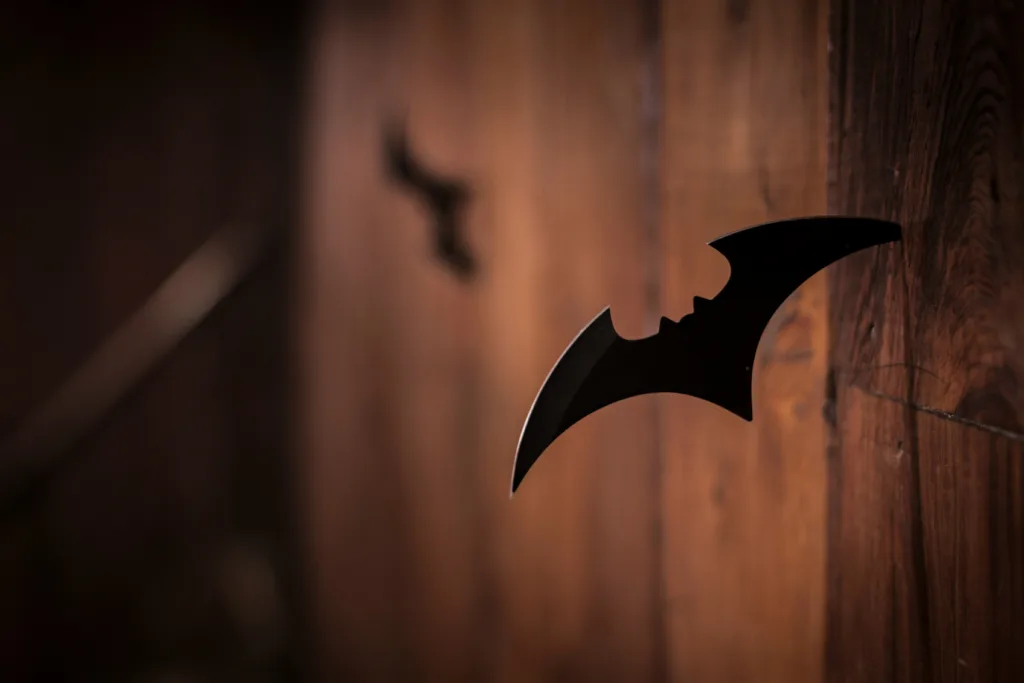
Batman arrived in Detective Comics #27 in May 1939, and for most of the next 75 years the credit line read “Bob Kane” alone. Bill Finger wrote that first story, named Gotham City and talked Kane out of red tights and stiff bat wings. DC finally credited him in 2015, decades after his death. Most of us didn’t know any of that. We knew Batman: The Animated Series, which premiered on Fox in 1992 with art-deco backgrounds painted on black paper and Kevin Conroy giving Bruce Wayne and Batman two different voices. For plenty of viewers, Conroy is still the only one that counts.
3. Captain America
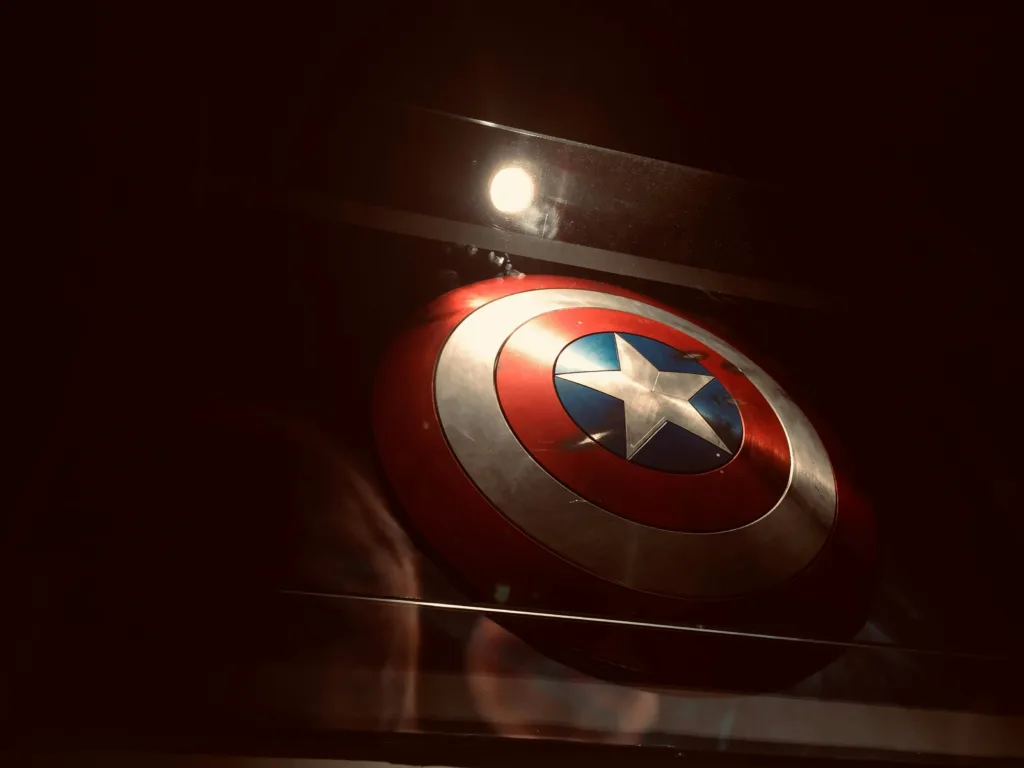
Joe Simon and Jack Kirby put Captain America on newsstands in December 1940 (the cover says March 1941), and the cover shows him punching Adolf Hitler in the jaw. That was a full year before the United States entered the war. Simon later said the first issue sold close to a million copies. After the war, sales faded and the title folded. Marvel brought him back in The Avengers #4 in 1964, thawed out of an iceberg, which gave him the man-out-of-his-time angle he still carries. It turned out to be a better hook than the war ever was.
4. Wonder Woman
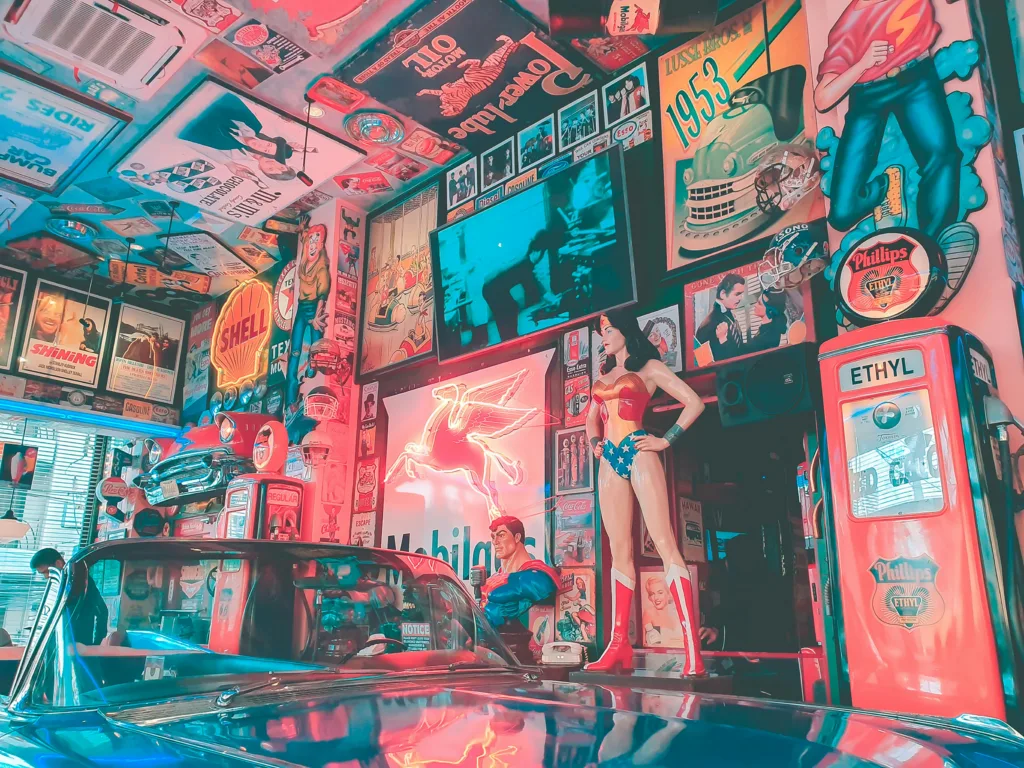
Wonder Woman debuted in All Star Comics #8, cover-dated December 1941, written by William Moulton Marston and drawn by H.G. Peter. Marston was a psychologist whose blood-pressure research fed into the development of the lie detector. So the Lasso of Truth is, in effect, a professional in-joke (one he never had to explain to readers). Kids who missed the comics met her through Lynda Carter, who played her on TV from 1975 to 1979. The spin-in-place transformation was a Carter-era invention. Every child with a cape tried it at least once.
Silver Age comic book icons (1962)
5. Spider-Man
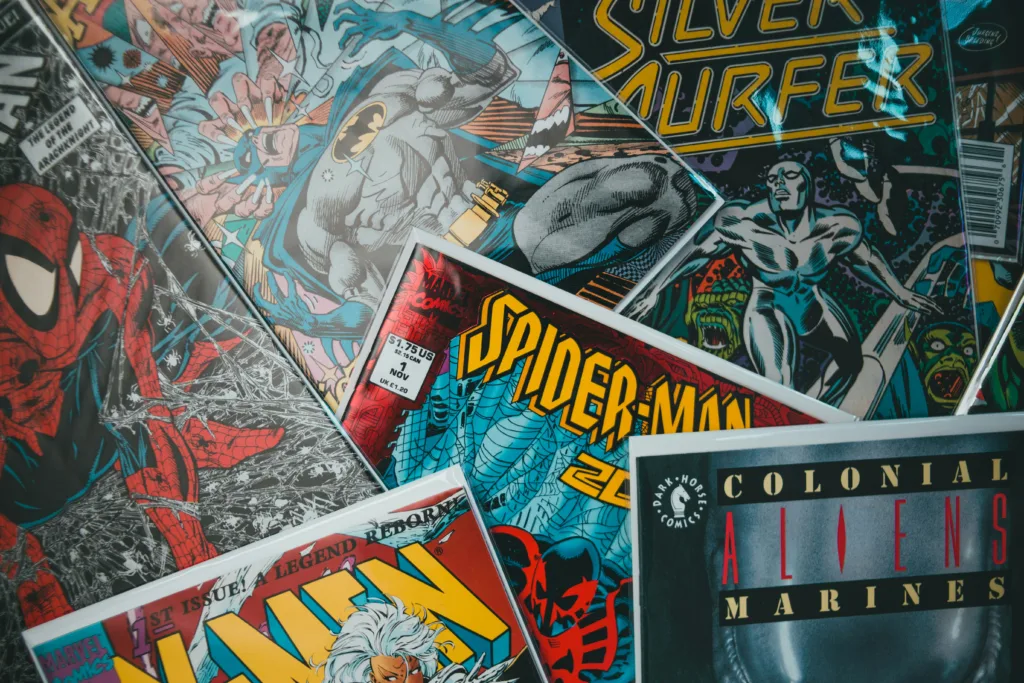
Amazing Fantasy #15 (August 1962) was the last issue of a cancelled anthology. That’s the only reason Stan Lee was allowed to put a teenage hero with money trouble and a fragile aunt on the cover — nobody upstairs cared what happened to a book already ending. Steve Ditko drew him lanky and odd, and the web-pattern costume covered his whole face, so any kid could picture themselves underneath. He got his own series, The Amazing Spider-Man, in March 1963. Ten years later, issue #121 killed Gwen Stacy. Many historians mark that issue as the point where superhero comics stopped promising happy endings.
6. Hulk
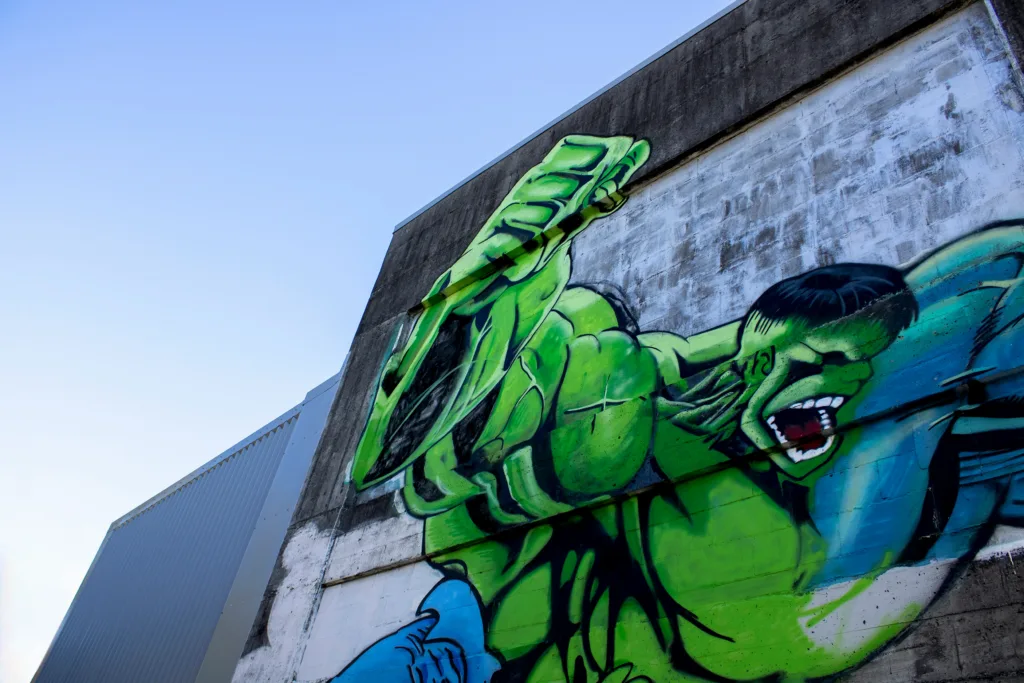
The Incredible Hulk #1 (May 1962) printed him grey. The color didn’t hold up on the press, so by issue #2 he was green, and the “grey Hulk” became a trivia question for the next three decades. Lee and Kirby’s series was cancelled after six issues. The character survived as a guest star and later in Tales to Astonish. For anyone born between about 1965 and 1975, though, the Hulk was the TV show: Bill Bixby as David Banner, Lou Ferrigno in green body paint, 1977 to 1982. “Don’t make me angry” did the rest.
Comic book icons of the 1970s, 80s and 90s
7. Wolverine
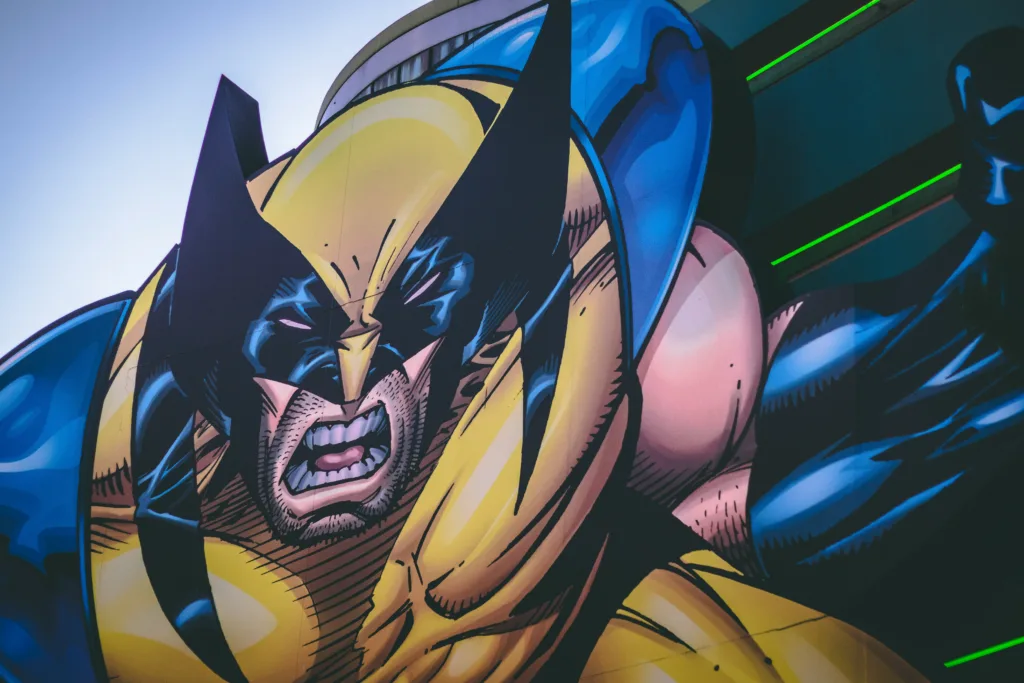
Wolverine walked on in the last panel of The Incredible Hulk #180 and got his first full fight in #181 (November 1974). Len Wein wrote him, John Romita Sr. designed the costume and Herb Trimpe drew the issue. He was meant to be a one-off Canadian government agent. Instead, he joined the new X-Men team in Giant-Size X-Men #1 in 1975 and became the most popular character Marvel had. Fox’s X-Men animated series, starting in 1992, made his growl and the yellow-and-blue suit standard playground equipment. Hugh Jackman took over in 2000 and wore black leather instead (a choice the films joked about for years).
8. Teenage Mutant Ninja Turtles
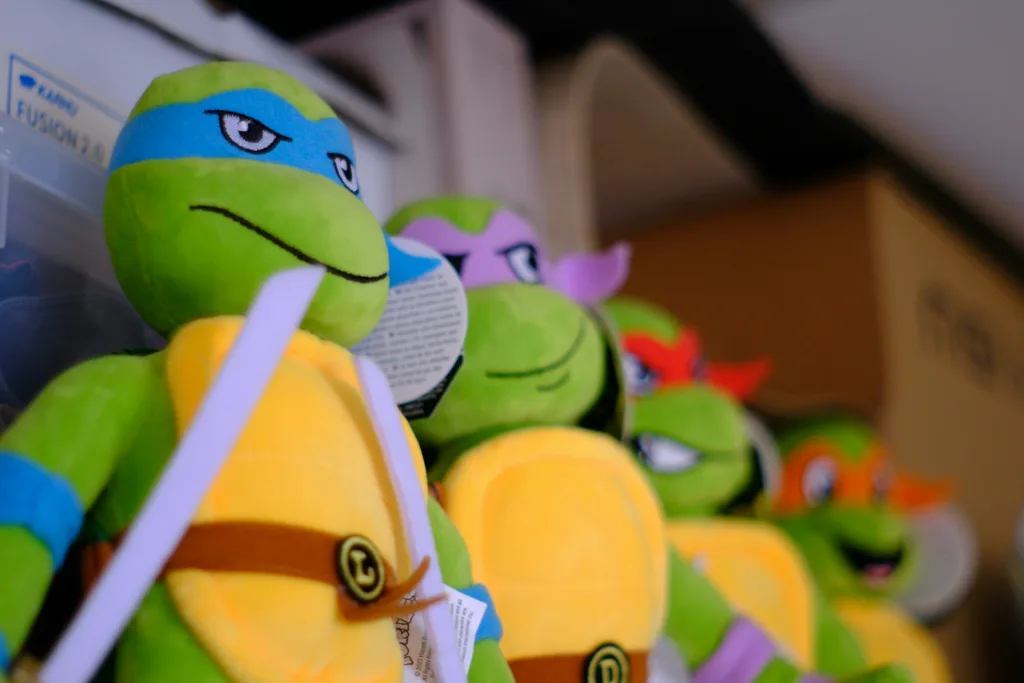
Kevin Eastman and Peter Laird self-published Teenage Mutant Ninja Turtles #1 in May 1984 under the name Mirage Studios, working out of Dover, New Hampshire. The first print run was 3,000 black-and-white copies. It was a parody of Frank Miller’s Daredevil and Ronin — the canister that blinds Matt Murdock is, according to the Turtles’ origin, the same one that mutated four pet-store turtles. Then came the 1987 cartoon and the Playmates toy line, and the grim indie joke turned into pizza, catchphrases and color-coded bandanas. Very few comics get that far from where they started.
9. Spawn
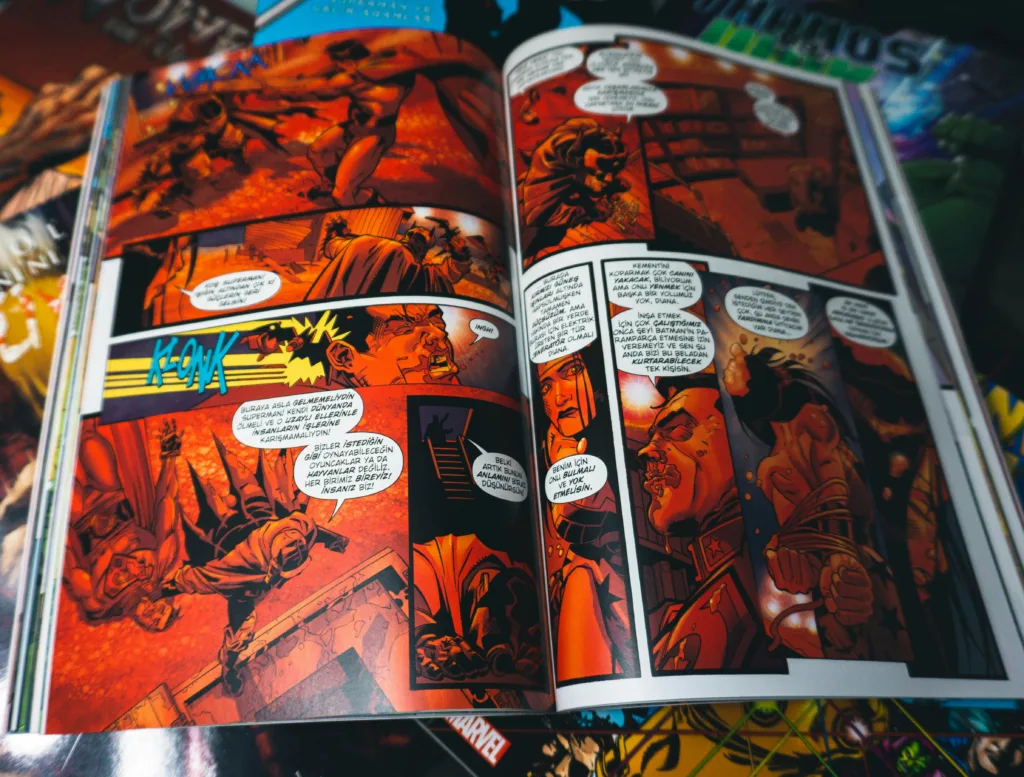
Todd McFarlane left Marvel in 1992, after drawing record-selling Spider-Man books, to co-found Image Comics with six other artists. Spawn #1 (May 1992) sold roughly 1.7 million copies. That is a huge number for a creator-owned comic, and it proved artists could own what they made. Spawn himself is a murdered government assassin sent back from hell in a living costume, with chains and a cape that takes up half the page. HBO’s animated Todd McFarlane’s Spawn won an Emmy in 1999. It was aimed at adults. Most of the kids who watched it were not supposed to.
10. Harley Quinn
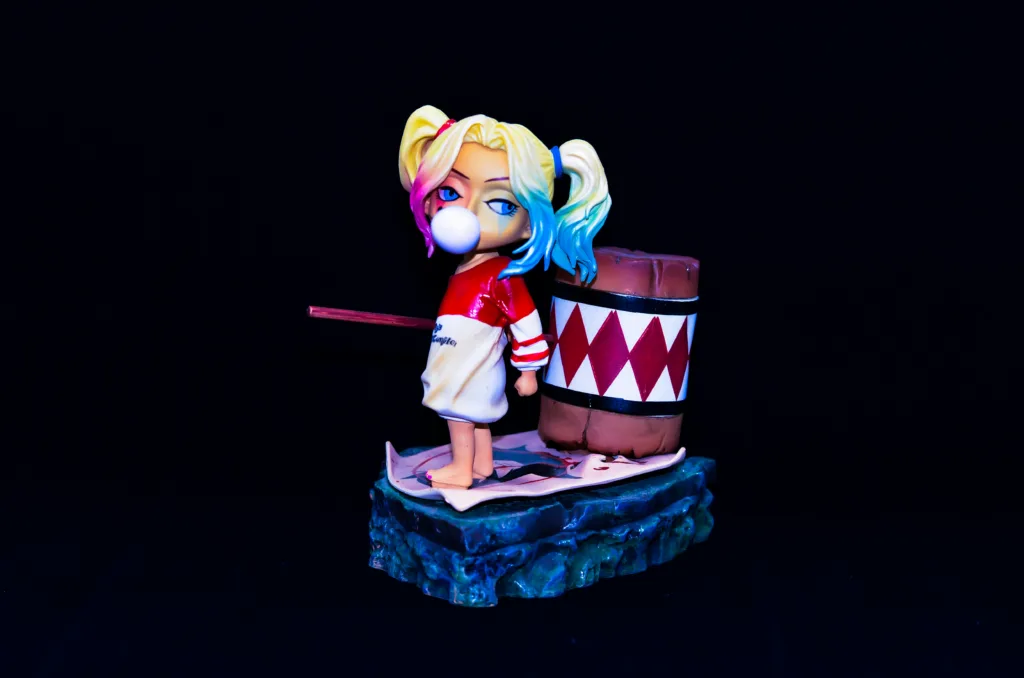
Harley Quinn is the only character on this list who was born on television. Paul Dini and Bruce Timm wrote her into the Batman: The Animated Series episode “Joker’s Favor” in September 1992 as a single-episode henchwoman in a jester suit, voiced by Arleen Sorkin. The look came from a dream sequence in which Sorkin dressed as a jester on Days of Our Lives. Fans kept asking for her. She reached print in The Batman Adventures #12 (September 1993) and entered DC’s main continuity in 1999’s Batman: Harley Quinn. Today she carries her own titles, which is a long way from one episode.