

If James Cameron’s “Avatar: The Way of Water” taught us to breathe, the next chapter in the Avater series, “Fire and Ash,” promises to make us feel the heat. James Cameron isn’t just building sequels; he’s engineering sensations, asking us to experience cinema with our whole bodies: lungs, eyes, ears, and now, perhaps, the sting of cinders on the imagination.
In this overview of “Fire and Ash,” we’ll map the narrative stakes of James Cameron’s third film in the Avatar franchise. By the end, you’ll have a more holistic knowledge of how “Fire and Ash” fits into the broader Avatar tapestry, how Cameron’s long game continues to bend the industry, and how the history of Avatar offers a blueprint for fandoms, creators, and worldbuilders alike.
Important Facts:
Director: James Cameron
Cast: Sam Worthington, Zoe Saldana, Stephen Lang, Sigourney Weaver, Kate Winslet, Edie Falco, David Thewlis, Cliff Curtis, Jermaine Clement, Giovanni Ribisi, Oona Chaplin
Release Date: December 19, 2025
Important Characters
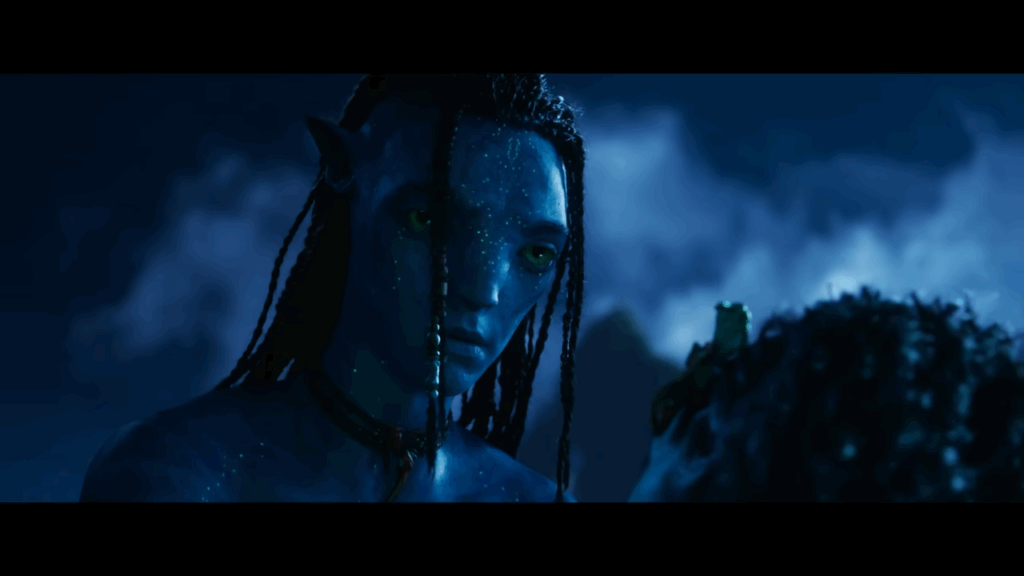
Jake Sully: Jake Sully is the central protagonist of James Cameron’s “Avatar,” initially introduced as a cynical, paraplegic former U.S. Marine. Following the death of his identical twin brother, Jake is recruited by the Resources Development Administration (RDA) to replace him as a driver in the Avatar Program on the distant moon of Pandora. His primary motivation is the promise that the RDA will pay for surgery to restore the use of his legs upon the successful completion of his mission, which is to infiltrate and gather intelligence on the indigenous Na’vi people, specifically the Omatikaya clan.
In “Avatar: The Way of Water,” Jake Sully’s character shifts significantly from the heroic young warrior of the first film to the dedicated, protective patriarch of the Sully family. More than a decade after permanently transferring his consciousness into his Na’vi avatar, he lives as the Olo’eyktan (clan leader) of the Omatikaya and is known as Toruk Makto (Rider of the Last Shadow). His primary focus is now family: he and Neytiri have three biological children (Neteyam, Lo’ak, and Tuk) and two adopted children (Kiri and the human boy Spider).
Neytiri: Neytiri is a pivotal character in the Avatar franchise, portrayed by Zoe Saldaña. She is the Princess of the Omaticaya Clan and daughter of the clan leader, Eytukan. She is a member of the Na’vi species on the moon Pandora. The Na’vi worship the Goddess Eywa, whom they consider a divine, guiding force connecting all living things. Neytiri is raised with strong ethical virtues like honesty and respect, living in harmony with her environment. She is an excellent hunter and rider of her banshee (Ikran). Initially, she is bitter and fiercely protective of her people, being deeply distrustful of the human “Sky People” due to their destructive nature; her sister, Sylwanin, was killed by soldiers.
Neytiri first encounters Jake Sully’s avatar when he is lost, initially intending to kill him but is moved by signs from Eywa to save him instead. She becomes his teacher, initiating him into the Na’vi culture, teaching him the language, hunting rituals, and how to form tsaheylu (the bond). During this time, she falls in love with him, eventually mating with him.
Colonel Miles Quaritch: Colonel Miles Quaritch (played by Stephen Lang) is the main antagonist of the first Avatar film and the ruthless Security Operations Commander for the Resources Development Administration (RDA) on Pandora. He is a militant, hard-hearted, and tactical former U.S. Marine who embodies the film’s theme of military-industrial colonialism and xenophobia. He views the Na’vi as a hostile enemy to be eradicated and sees Pandora as a resource to be exploited, not a world to be respected.
In “Avatar: The Way of Water,” Colonel Miles Quaritch returns as the primary antagonist, but in a radically new form. After his death in the first film, the RDA (Resources Development Administration) used his preserved memories, stored on a Soul Drive, to implant his consciousness into a genetically-engineered Na’vi avatar known as a Recombinant (or Recom).
Kiri: Kiri is a significant new character in “Avatar: The Way of Water.” She is the adopted teenage daughter of Jake Sully and Neytiri, and is a scientific and spiritual mystery on Pandora. Kiri was conceived and born from Dr. Grace Augustine’s (Sigourney Weaver) dormant Na’vi avatar body after Grace’s death in the first film. Kiri is also played by Weaver, who delivers a motion-capture performance of the 14-year-old Na’vi.
Spider: Miles “Spider” Socorro (played by Jack Champion) is a teenage human character and another adopted member of the Sully family in “Avatar: The Way of Water.” He is the biological son of the deceased Colonel Miles Quaritch, having been born on Pandora and left behind after the first film. He is a skilled woodsman and survivalist who wears a breathing mask to survive Pandora’s atmosphere. Though loved by Jake and the children, Neytiri maintains a deep mistrust of him because he is human and the son of the man who destroyed their home and killed her father.
Summary of Avatar (2009)

James Cameron’s Avatar (2009) is an epic science fiction film centered on themes of environmentalism, colonialism, and identity. Set in the mid-22nd century, the story follows Jake Sully (Sam Worthington), a paraplegic former Marine sent to the lush alien moon of Pandora with the Resources Development Administration (RDA) to help mine a valuable mineral called unobtanium.
Summary of Avatar: Way of Water (2022)
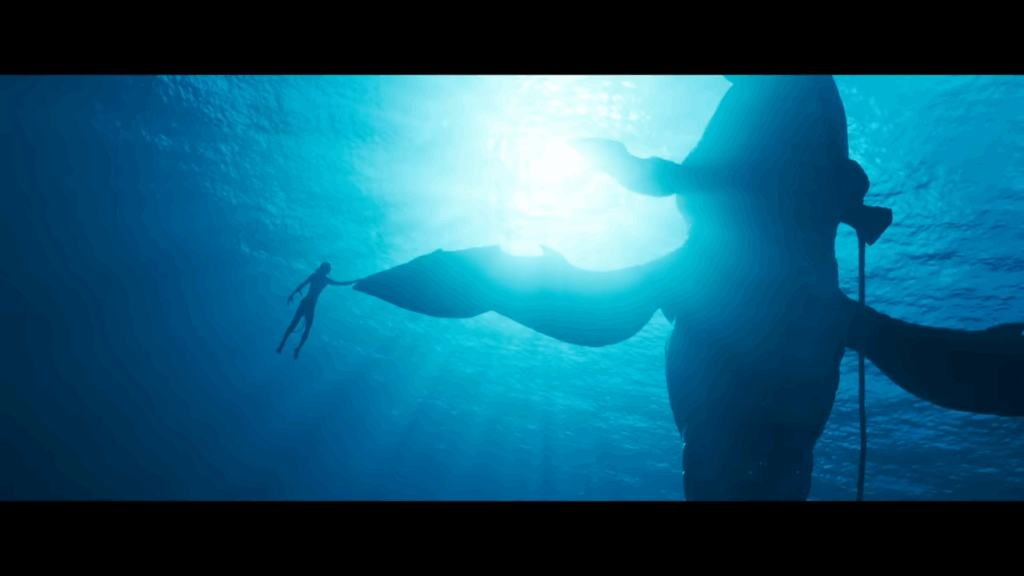
Set more than a decade after the first film, Jake Sully (Sam Worthington) is now the Na’vi Olo’eyktan (leader) of the Omatikaya clan, and he and Neytiri (Zoe Saldaña) have built a family with their children Neteyam, Lo’ak, Tuk, their adopted daughter Kiri (Sigourney Weaver), and a human boy named Spider (Jack Champion), the son of the deceased Colonel Miles Quaritch.
The human RDA returns to Pandora with massive forces to colonize the moon. Their new threat is led by Colonel Miles Quaritch, who has been resurrected as a Recombinant—a Na’vi avatar implanted with his human memories. To protect their family and tribe from Quaritch’s relentless hunting, Jake and Neytiri flee the forest and seek refuge with the Metkayina Clan, a reef-dwelling, oceanic Na’vi tribe led by Tonowari and Ronal. The Sully family must learn the “Way of Water,” adapting to life in the sea and bonding with new creatures, including the intelligent, whale-like Tulkun.
The conflict culminates in an epic battle on the ocean, where Quaritch and the RDA’s marine operations—who are also brutally hunting Tulkun for a valuable life-extending serum—track the family down. The battle results in tragedy for the Sully family, but they ultimately defeat Quaritch’s vessel with the help of the Metkayina and a rogue Tulkun named Payakan. The film ends with the Sully family finding a permanent new home and purpose with the sea-dwelling Metkayina, determined to continue the fight.
Important Notes
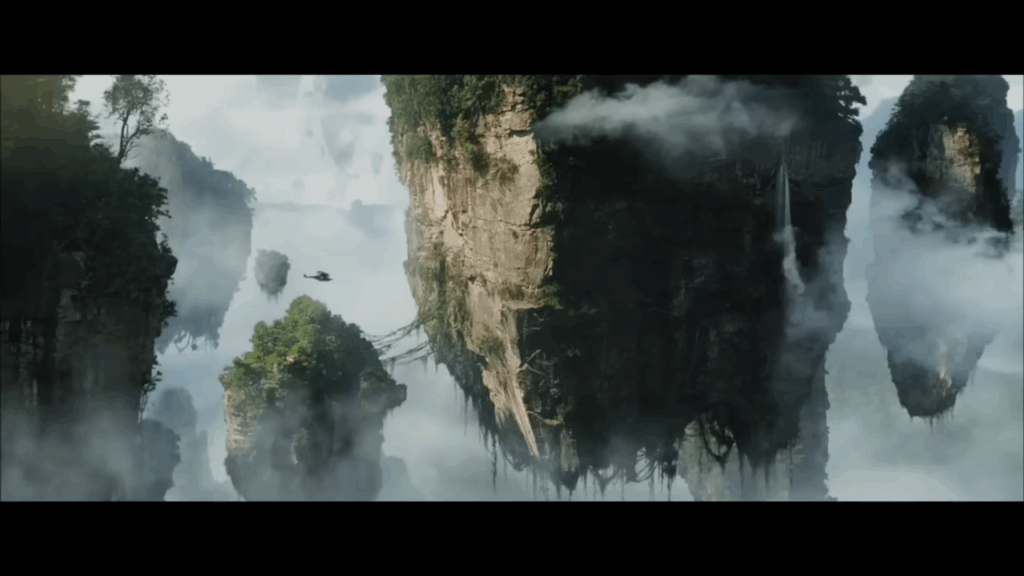
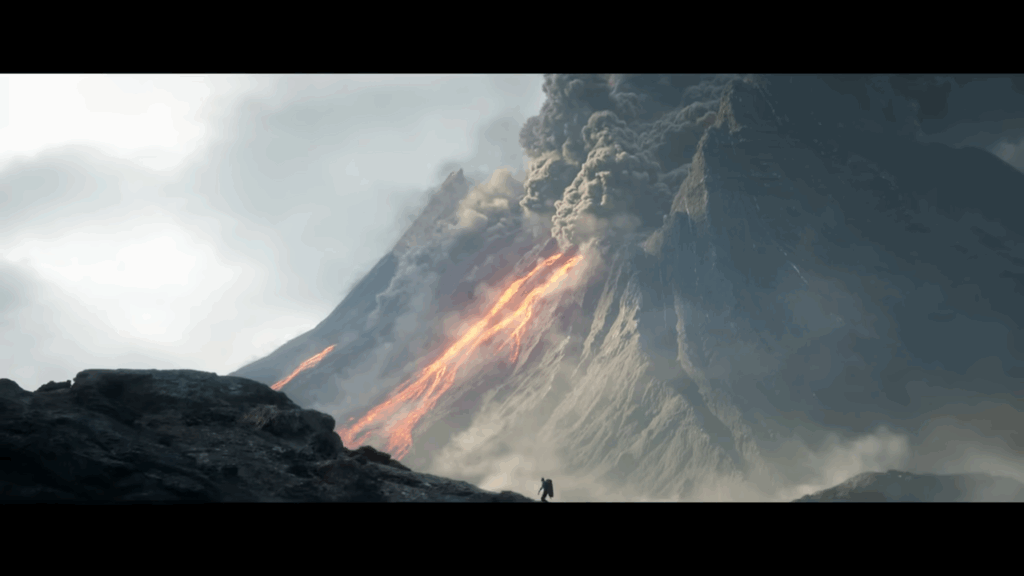
Setting: “Avatar: Fire and Ash” dramatically expands the setting of Pandora by moving away from the lush rainforests and vibrant coral reefs to a harsh, new environment: the volcanic and arid regions of the alien moon. This area, which is scorched earth covered in ash, lava flows, and smoking terrain, is a stark visual contrast to the worlds explored in the first two films, utilizing a palette dominated by reds, grays, and blacks.
Conflict: The central conflict in “Avatar: Fire and Ash” is designed to be the most complex and multi-layered in the franchise yet, moving beyond the simple “good Na’vi vs. bad humans” dynamic. Director James Cameron stated that he intends to show that not all Na’vi are noble, introducing intra-Na’vi conflict as the new major threat. The conflict will escalate as Varang and the Ash People, who reject Eywa and embrace an aggressive survivalist ideology due to their harsh volcanic environment, are rumored to ally with the human RDA forces and Recombinant Colonel Quaritch.
Familial Rift: “Fire and Ash” explores the deep emotional conflict within the Sully family, specifically Jake and Neytiri’s grief over the death of their son Neteyam, which threatens to fracture their relationship and challenge Neytiri’s inherent hatred for all things human. Cameron described the title’s meaning as “Fire” (hatred, anger, violence) and “Ash” (grief, loss), indicating a vicious cycle of trauma and vengeance that the characters must break.
What does “Fire and Ash” refer to?
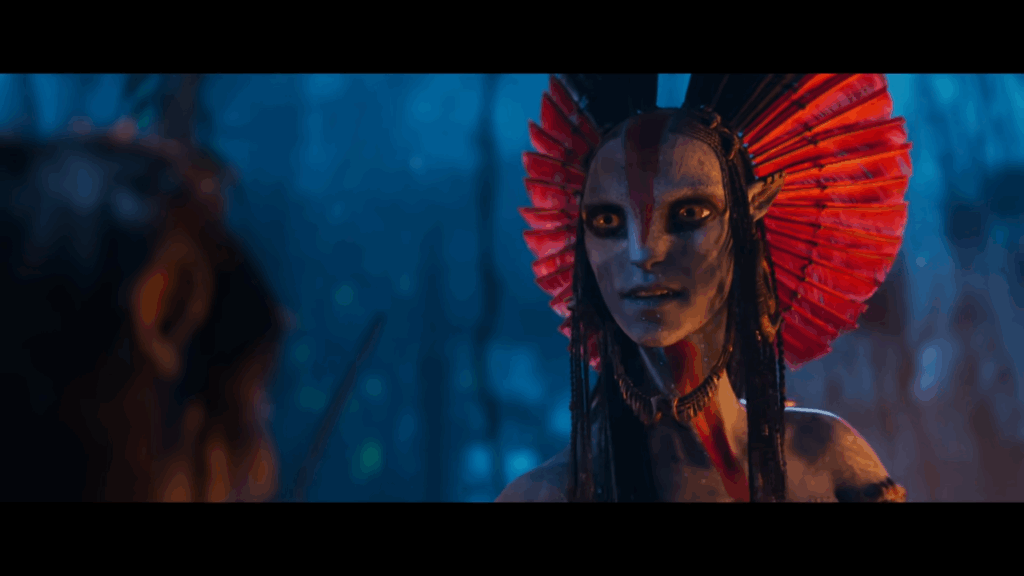
The “Ash People” (officially the Mangkwan Clan) are a new, antagonistic Na’vi tribe being introduced by James Cameron in the upcoming film Avatar: Fire and Ash. They mark a significant shift in the franchise’s narrative, as Cameron intends to explore the idea that not all Na’vi are benevolent and peace-loving.
The Mangkwan clan are a fire-based tribe who live in the volcanic, arid regions of Pandora, which is why they are commonly referred to as the Ash People. Originally a forest-dwelling clan similar to the Omatikaya, their home was destroyed by a catastrophic volcanic eruption. This devastating event led them to feel forsaken by Eywa (the Na’vi’s spiritual deity) and consequently reject the traditional Na’vi reverence for the natural world.
This hardship has made them hardened, aggressive, and vengeful, adopting a more hostile survivalist mindset. Their leader is Varang (played by Oona Chaplin), a fierce warrior who is willing to commit what others consider “evil” acts to protect her people. Early details suggest the Ash People will be central to the conflict, potentially allying with the human RDA forces and the recombinant Colonel Miles Quaritch in a three-way conflict against Jake Sully’s family and their allies. Their introduction allows Cameron to explore moral complexity and blur the lines between “good” Na’vi and “bad” humans.
What themes are significant in the Avatar universe?
Tech vs. Nature: The theme of technology versus nature is the foundational conflict of James Cameron’s Avatar, driving both the plot and the moral arguments of the film. It is presented as a fundamental opposition between the cold, destructive industrialism of humanity (represented by the RDA) and the vibrant, sacred, and interconnected natural world of Pandora (represented by the Na’vi and Eywa).
Family: The theme of family is the central emotional pillar of Avatar: The Way of Water, marking a thematic evolution from the first film’s focus on identity and belonging. In the sequel, Jake Sully’s driving motivation has shifted entirely from a warrior’s quest to a father’s duty to protect his immediate family: his mate Neytiri and their five children (Neteyam, Lo’ak, Tuk, Kiri, and Spider).
Moral Ambiguity: The theme of moral ambiguity in the Avatar saga is centered on challenging the initial black-and-white portrayal of the conflict (noble Na’vi vs. evil humans) and introducing complexity within both sides. While the first film largely presented the Na’vi as benevolent and the RDA as purely destructive, the sequels, particularly the upcoming Avatar: Fire and Ash, aim to blur these lines.Immersion: The theme of cutting-edge craft in service of immersion is a defining characteristic of the Avatar saga, emphasizing that the films’ revolutionary technology is a means to transport the audience fully into the alien world of Pandora rather than being an end in itself. Director James Cameron meticulously utilized groundbreaking innovations—such as performance capture techniques that translated actors’ subtle facial expressions onto the Na’vi characters, CGI that rendered a photorealistic, bioluminescent ecosystem, and the revival of high-end 3D projection—to eliminate the barrier between the viewer and the fictional world. This craft was deliberately leveraged to make the fantastical environment feel tangible, lived-in, and scientifically plausible.