
The best book to movie adaptations cut hard and keep the one idea the novel is built on. These ten do it. Three won Best Picture, and one, The Shawshank Redemption, took only about $16 million in its first run before home video made it a classic.
Updated November 2, 2026.
Turning a loved novel into a movie is one of the riskiest things Hollywood does. If you’ve ever sat in a theater thinking “that’s not how I pictured it,” you know why. I read the book before the movie almost every time, and I’ve been doing that for decades. The adaptations that last do one thing well. They decide what the book is really about and cut the rest. The ones that fail try to keep the plot and lose the point. Every film below made that choice early, and you can feel it in the first twenty minutes.
To Kill a Mockingbird (1962)
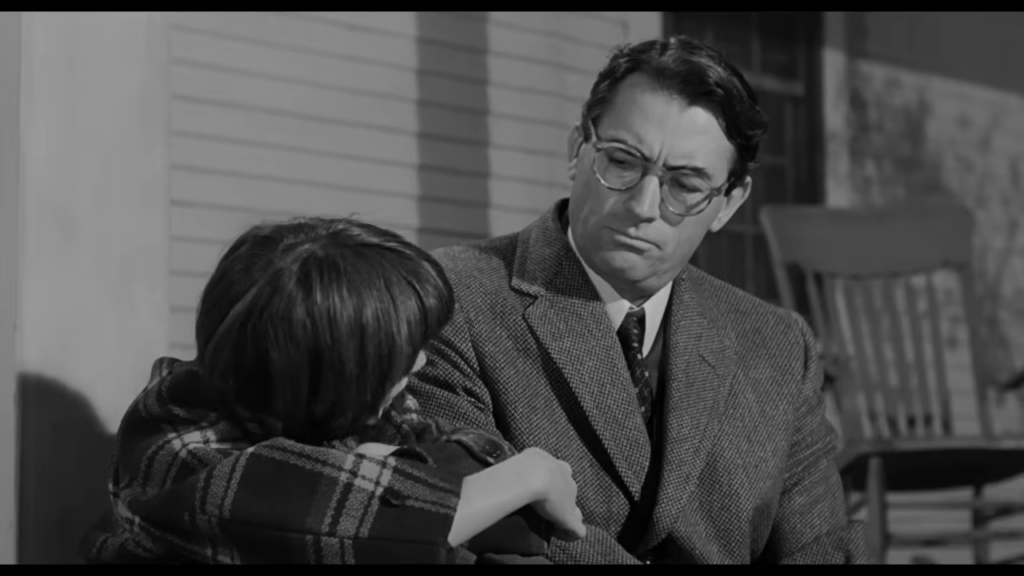
Director: Robert Mulligan
Cast: Gregory Peck, Mary Badham
Harper Lee published the novel in 1960, and Robert Mulligan’s film reached theaters on December 25, 1962. Horton Foote’s script kept the trial and Atticus Finch and let Scout’s wandering childhood stories shrink. It cost about $2 million, made $13.1 million, and won three Oscars: Best Actor for Gregory Peck, Best Adapted Screenplay for Foote, and Best Art Direction. It turned a big, memory-filled story into a tight courtroom drama without losing its heart. Peck’s Atticus is so well known that it’s hard to read the book now without hearing his voice. Lee loved the casting and later wrote that Peck had played himself. The film drops a lot of Scout’s side trips, but it keeps what the story is really about, and that’s the part that counts.
The Godfather (1972)
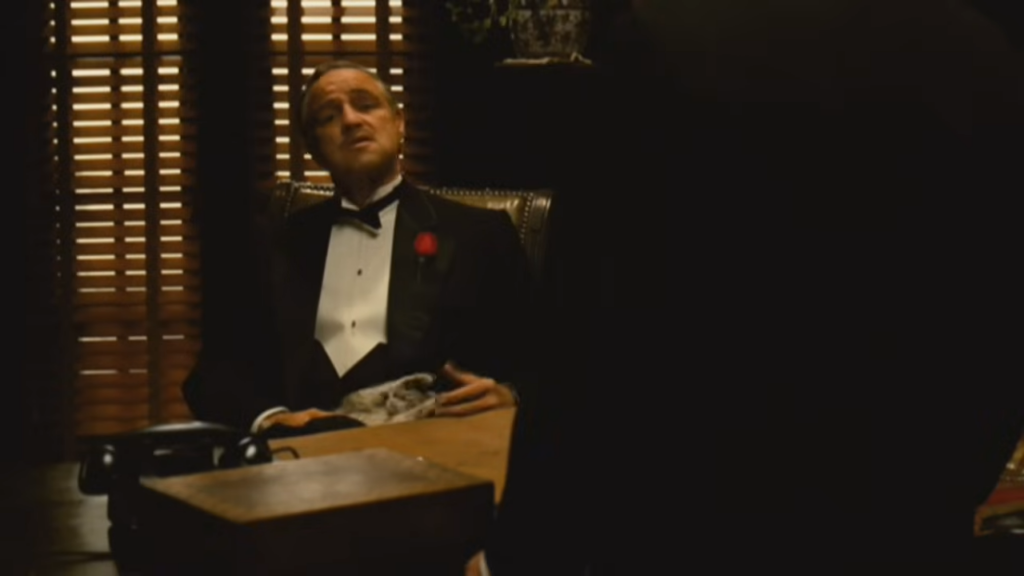
Director: Francis Ford Coppola
Cast: Marlon Brando, Al Pacino, James Caan, Diane Keaton, Talia Shire
Mario Puzo’s 1969 novel was a bestseller before Paramount hired him, for $100,000 plus a share of profits, to help write the script. Critics saw the book as a pulpy read, the kind they put up with more than praised. Puzo and Francis Ford Coppola wrote separate drafts and stayed in touch about what to keep. They trimmed subplots, sharpened the talk, and gave Marlon Brando and Al Pacino room to turn Vito and Michael Corleone into names everyone knows. Many people call it the best American film ever made, and having the author involved surely helped. The film opened on March 24, 1972, cost $6 to $7 million, and made between $250 and $291 million worldwide. It won Best Picture, Best Actor for Marlon Brando, and Best Adapted Screenplay for Puzo and Coppola.
Jaws (1975)
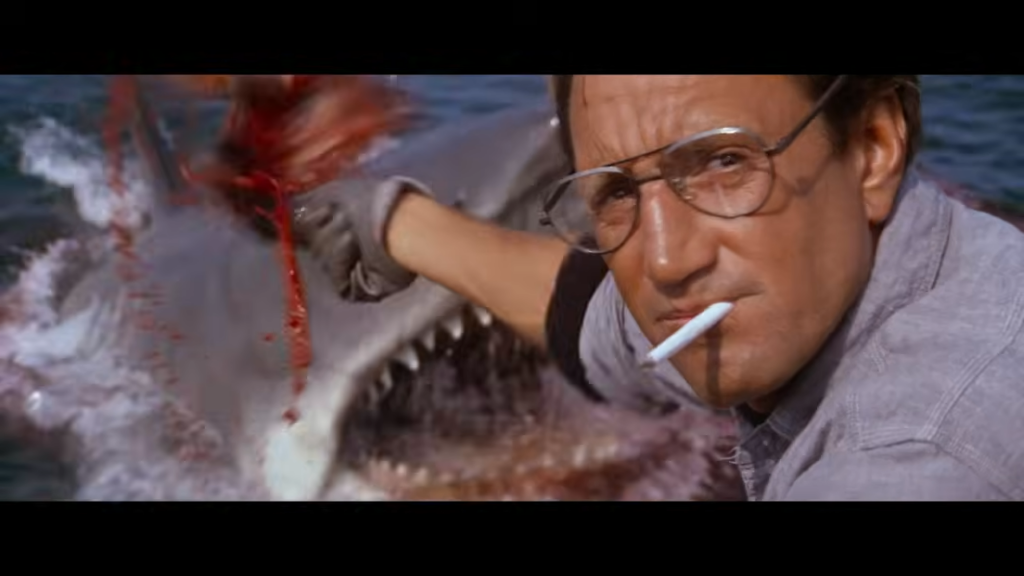
Director: Steven Spielberg
Cast: Richard Dreyfuss, Roy Scheider, Robert Shaw, Lorraine Gary
Peter Benchley’s 1974 novel is a solid beach read, but Steven Spielberg’s movie is a master class in building tension. Many people credit it with starting the modern summer blockbuster. The book had an affair between Ellen Brody and Matt Hooper, and Spielberg had it removed. That was the right call, because it left room for three men, a boat and a shark that barely worked. Carl Gottlieb rewrote nearly the whole script during shooting. The three mechanical sharks kept failing, with saltwater in the hoses and rubbery skin that soaked up water. Spielberg’s fix was to hint at the shark instead of showing it. The film opened June 20, 1975, ran to a $9 million budget from a $3.5 million estimate, and has made about $495 million across its releases. It won three Oscars, for editing, score and sound. It also scared a whole generation of swimmers. Anyone who has ever hesitated before wading past their knees in the ocean knows the feeling this movie helped plant.
The Silence of the Lambs (1991)
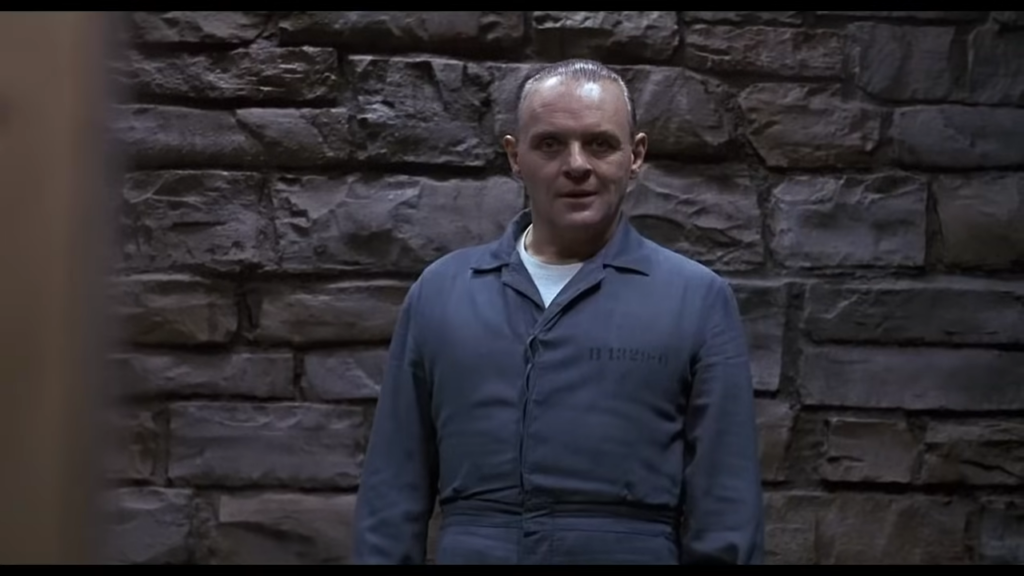
Director: Jonathan Demme
Cast: Anthony Hopkins, Jodie Foster, Kasi Lemmons, Obba Babatunde
Thomas Harris published the novel in 1988, and Ted Tally’s script reached theaters on February 14, 1991 under Jonathan Demme. It kept nearly all of the book’s creepy mood while tightening the story for the screen. It cost $19 million and made $272.7 million worldwide. Anthony Hopkins is on screen for less than 25 minutes as Hannibal Lecter, yet he became one of the best-known movie villains almost right away. The film won Best Picture, Director, Actor, Actress and Adapted Screenplay, the Big Five. Only It Happened One Night and One Flew Over the Cuckoo’s Nest had done that before it. Few thrillers get that kind of respect from the Academy. Fans of psychological thrillers and people who mostly read serious books tend to agree on this one.
The Shawshank Redemption (1994)
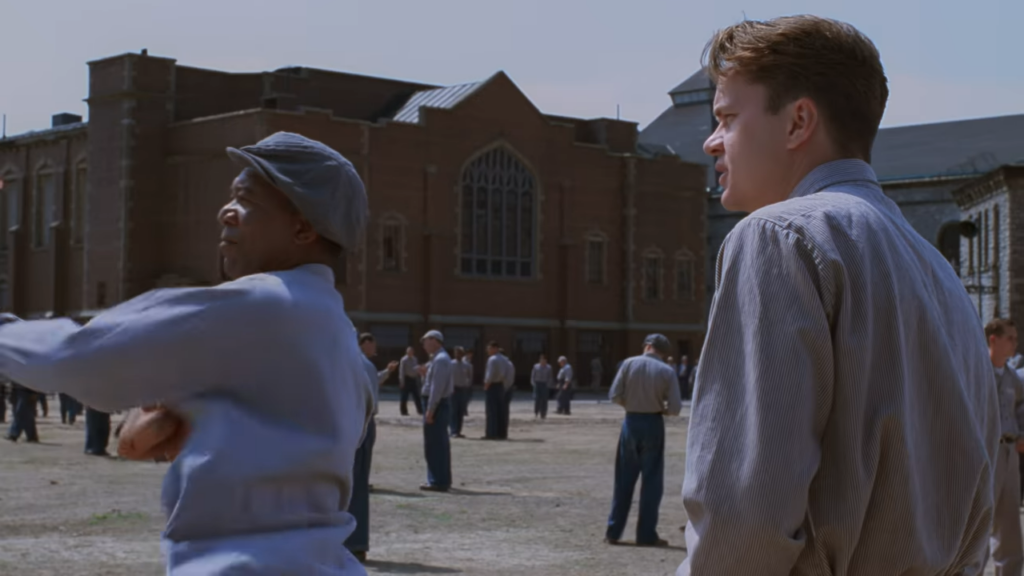
Director: Frank Darabont
Cast: Morgan Freeman, Tim Robbins
Frank Darabont wrote and directed this one from King’s 1982 novella “Rita Hayworth and Shawshank Redemption,” part of the collection Different Seasons. He took a slim story and stretched it into a 142-minute movie about hope and patience that never feels padded. It had a $25 million budget and took about $16 million in its first run in theaters. It earned seven Oscar nominations and no wins. Warner Home Video shipped 320,000 rental copies in 1995, the year’s top rental, and TNT began regular airings in June 1997. Most of us have a movie we found on a rental shelf or a late-night channel and then watched again and again. This is one of those. King never cashed Darabont’s $5,000 rights check. He framed it and sent it back to Darabont, and in 2016 he named the film one of his two favorite adaptations of his work, alongside Stand by Me. Authors don’t hand out that kind of praise lightly.
The Lord of the Rings: The Fellowship of the Ring (2001)
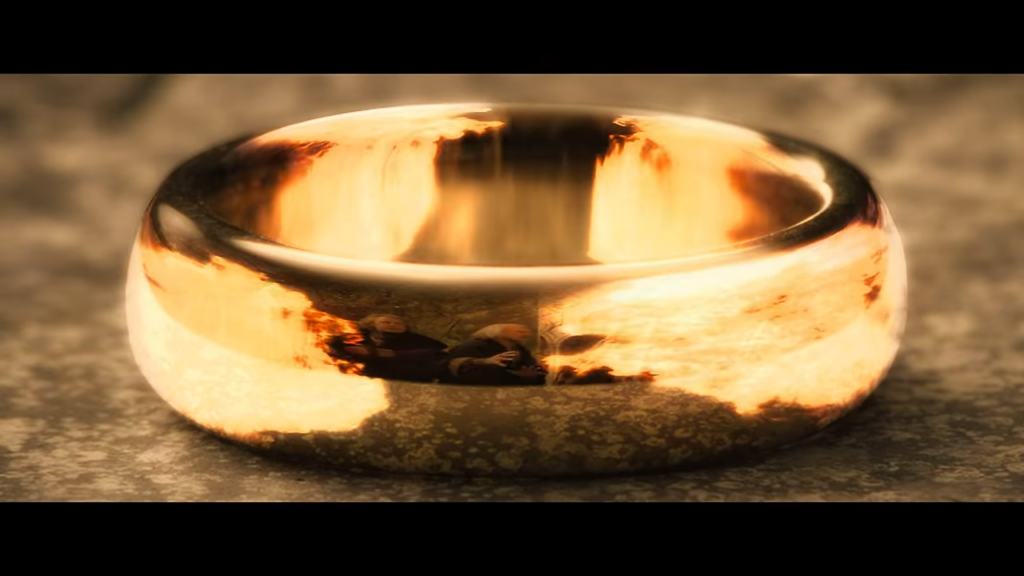
Director: Peter Jackson
Cast: Elijah Wood, Sean Astin, Dominic Monaghan, Billy Boyd, Ian McKellen, Viggo Mortensen, Orlando Bloom, John Rhys-Davies, Cate Blanchett, Hugo Weaving, Liv Tyler
Tolkien’s novel came out in 1954. For years people called it “unfilmable,” with its deep history, invented languages and hundreds of named characters. Anyone who has tried to explain a huge fantasy world to a friend knows how hard it is to decide what to leave out. Peter Jackson, Fran Walsh and Philippa Boyens wrote the script, and the cuts are the story. Tom Bombadil is gone. The ambush and Boromir’s death move up from the next volume to close the film. Real sets and New Zealand landscapes helped Middle-earth feel like a place you could visit. The film opened in the US on December 19, 2001, cost $93 million, and made about $897 million after reissues. It won four of its 13 Oscar nominations: cinematography, makeup, score and visual effects. It was a hit with critics and the start of one of the biggest-earning movie trilogies ever. For more like it, see our best fantasy films of all time.
The Help (2011)
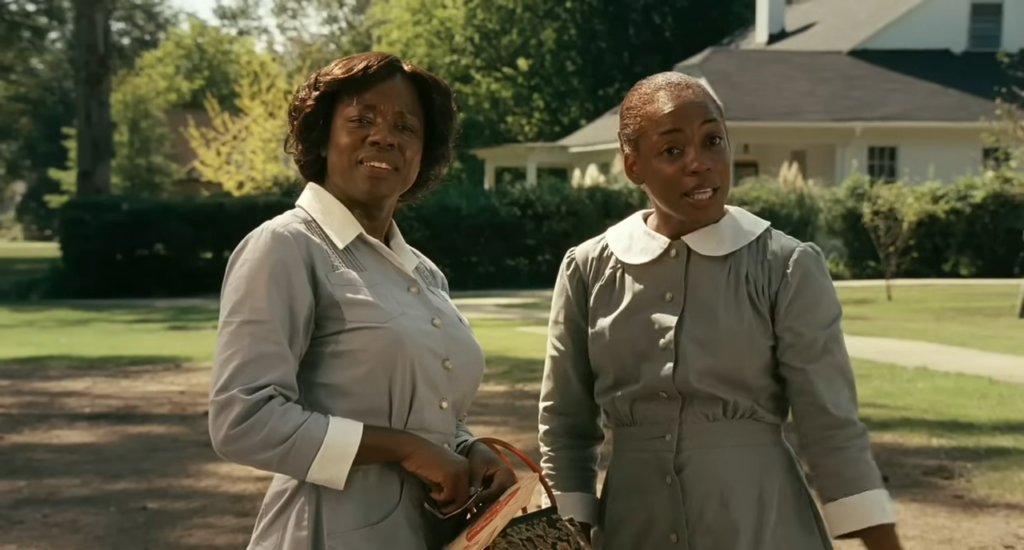
Director: Tate Taylor
Cast: Emma Stone, Viola Davis, Octavia Spencer, Jessica Chastain, Bryce Dallas Howard
Tate Taylor optioned Kathryn Stockett’s novel before it was published in 2009, then wrote and directed the film. The book is set in 1960s Mississippi and follows Black household workers and the white families who hired them. It became a huge bestseller. The film leans on its cast, including Viola Davis, Octavia Spencer and Emma Stone, to carry the book’s mix of humor and hardship. It opened wide on August 10, 2011, cost $25 million, and made $221.8 million worldwide. It earned four Oscar nominations, and Octavia Spencer won Best Supporting Actress. This is the most contested pick here. The Association of Black Women Historians said the film “distorts, ignores, and trivializes the experiences of black domestic workers.” I keep it for the craft of the adaptation, with that criticism on the record. As adaptation work, it holds together very well.
Life of Pi (2012)
Director: Ang Lee
Cast: Suraj Sharma, Irrfan Khan, Gautam Belur, Shravanthi Sainath
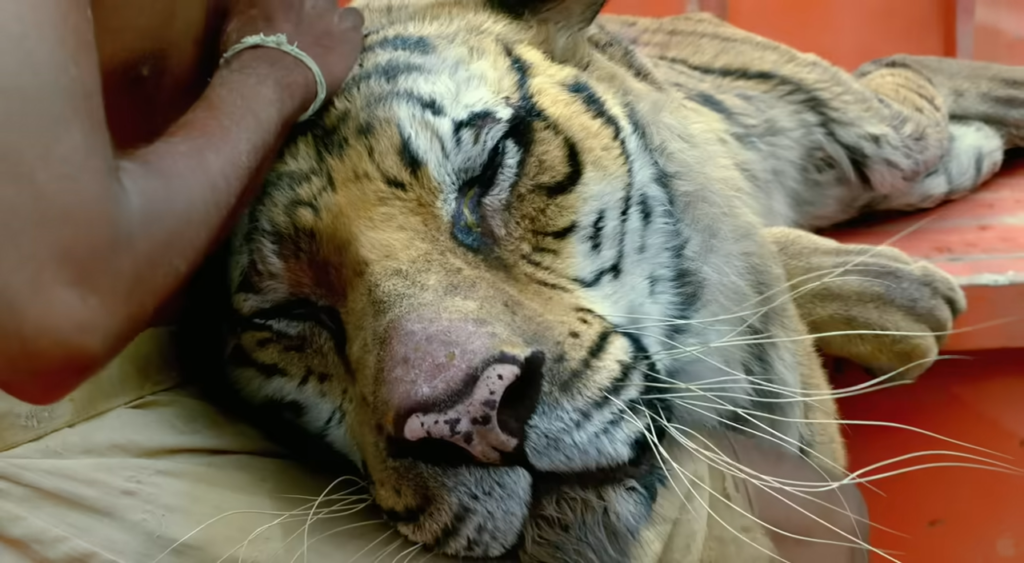
Yann Martel’s 2001 novel, about a boy adrift on a lifeboat with a Bengal tiger, passed through other hands first. People thought it was another “unfilmable” book because so much of it happens inside Pi’s head. M. Night Shyamalan, Alfonso Cuaron and Jean-Pierre Jeunet were all attached at various points. Ang Lee finally made it, from David Magee’s screenplay. He leaned on the visuals, and the 3D makes the tiger, Richard Parker, feel like a real animal on that boat. The tiger was mostly computer-generated after about a year of development at Rhythm and Hues. The film cost $120 million and made about $609 million. It won four of its 11 Oscar nominations, including Best Director for Lee. It also kept the book’s open-ended ending, the one that makes you question what you believe, instead of tying it up neatly.
Gone Girl (2014)
Director: David Fincher
Cast: Ben Affleck, Rosamund Pike
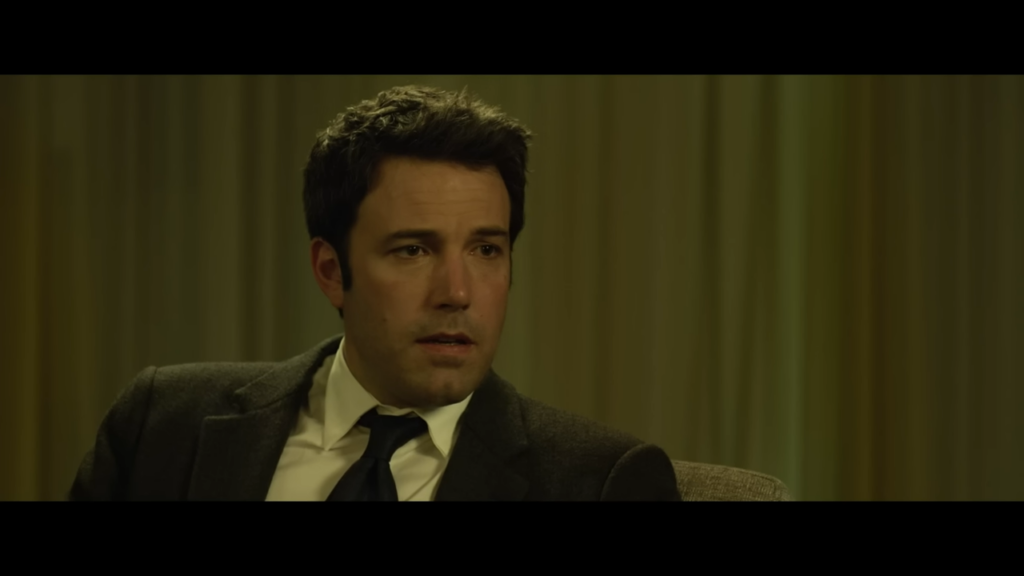
Gillian Flynn wrote the screenplay from her own 2012 novel, which may be the biggest advantage any film on this list had. She squeezed a roughly 500-page book into a shorter script and cut most of the parent storylines. She tried many versions of the ending. She also kept the media as a third player beside Nick and Amy, along with the book’s sharp look at modern marriage. David Fincher’s film opened wide on October 3, 2014, cost $61 million, and made $370.9 million. Rosamund Pike earned its one Oscar nomination, for Best Actress, and her Amy Dunne became an instant icon. Wikipedia cites an 88 percent Rotten Tomatoes approval across 368 reviews. Like with The Godfather, having the author in the writers’ room tends to be a very good sign.
No Country for Old Men (2007)
Director(s): Ethan Coen, Joel Coen
Cast: Javier Bardem, Tommy Lee Jones, Josh Brolin, Woody Harrelson, Kelly MacDonald
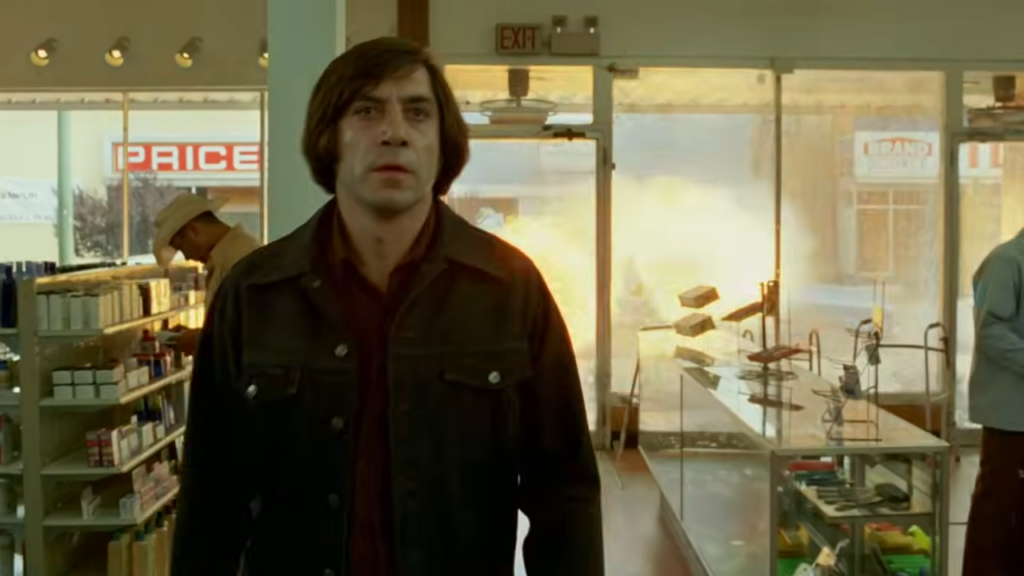
Cormac McCarthy’s bare, almost punctuation-free 2005 novel went to the Coens, whose script is mostly faithful to it. They kept a lot of the book’s short, blunt dialogue and its slow, creeping dread. They cut a late teenage runaway and some of Sheriff Bell’s backstory, and they condensed his narration. They did not meet McCarthy until filming. The film premiered at Cannes on May 19, 2007, opened in limited US release on November 9, cost $25 million, and made $171 million worldwide. It won four of its eight nominations: Best Picture, Director, Adapted Screenplay, and Best Supporting Actor for Javier Bardem, who played the cold, unstoppable hitman Anton Chigurh. Sometimes the most faithful adaptation is also the best one.
Book to Movie Adaptations: Common Questions
What makes a good book to movie adaptation?
The films here share one habit: they cut hard. Jaws dropped the affair between Ellen Brody and Matt Hooper, The Fellowship of the Ring dropped Tom Bombadil, and Gone Girl shed most of its parent storylines. What stays is the book’s central idea. A faithful page count matters less than a faithful point.
Which book to movie adaptations won Best Picture?
Three on this list: The Godfather (1972), The Silence of the Lambs (1991) and No Country for Old Men (2007). The Silence of the Lambs also won all of the Big Five awards. The Shawshank Redemption earned seven nominations, including Best Picture, and won none of them.
Do authors write the screenplay for a book to movie adaptation?
Sometimes. Mario Puzo co-wrote The Godfather with Coppola, and Gillian Flynn wrote Gone Girl herself. Most of the others were adapted by screenwriters such as Horton Foote, Ted Tally and Frank Darabont. Authors do not have to write the script to approve of the result, as Stephen King’s praise for Shawshank shows.
Which book to movie adaptations flopped in theaters first?
The Shawshank Redemption took about $16 million in its first theatrical run against a $25 million budget. Rentals changed that. Warner Home Video shipped 320,000 rental copies in 1995, the year’s top rental, and TNT began regular airings in June 1997. A 2014 Wall Street Journal estimate put its earnings near $100 million, counting box office, home video and TV licensing.